
De Grisogono Jewelry


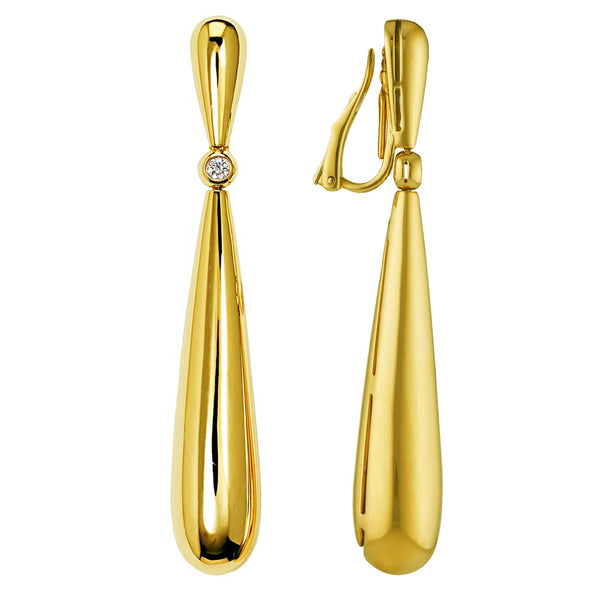
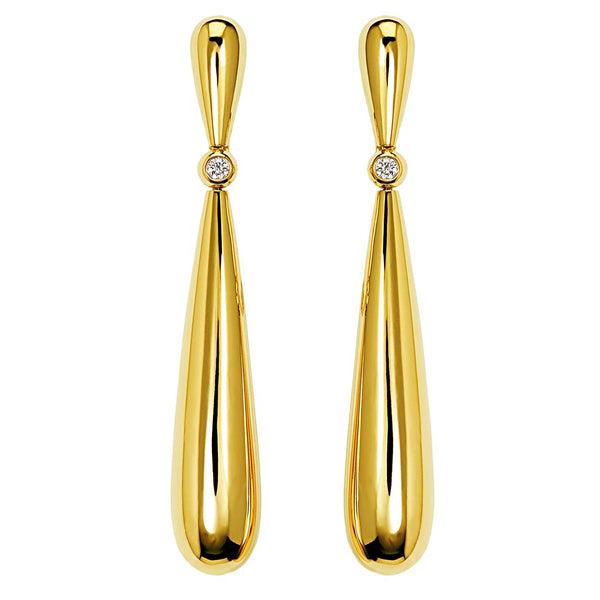

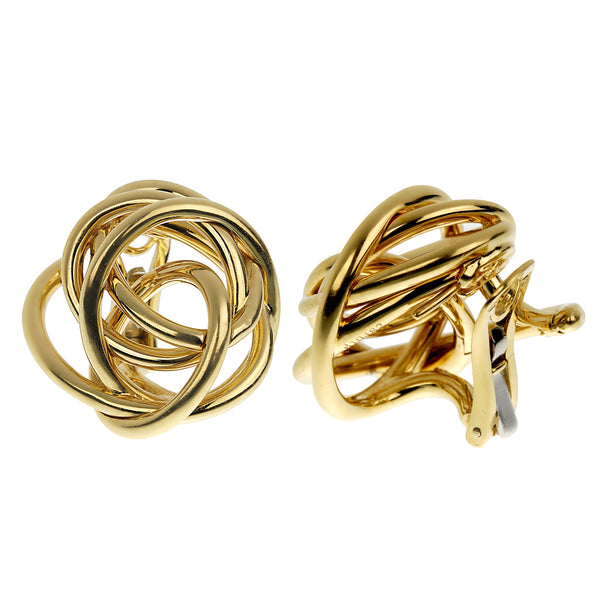
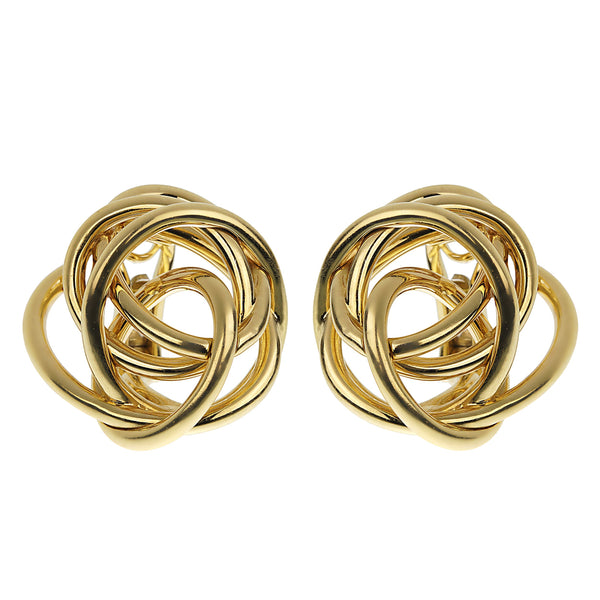

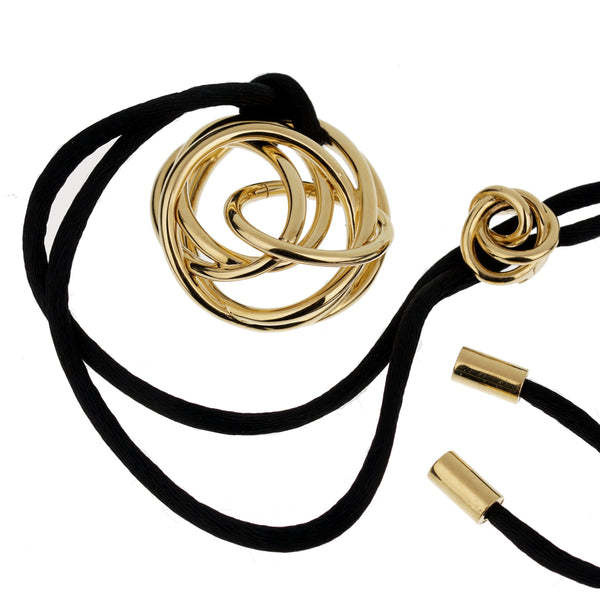
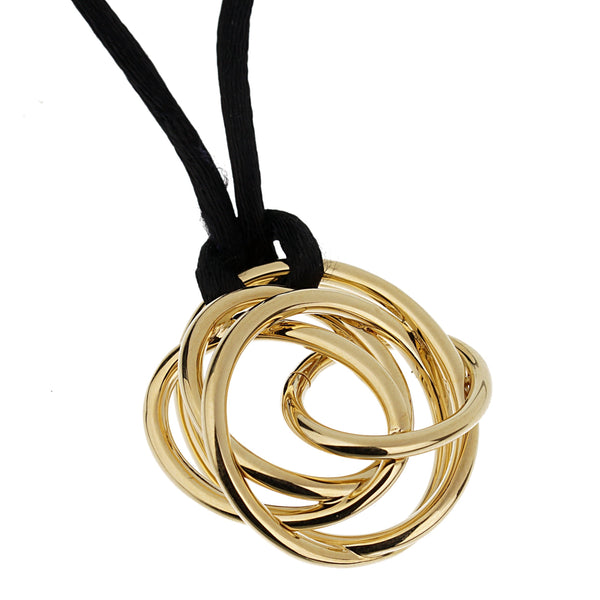

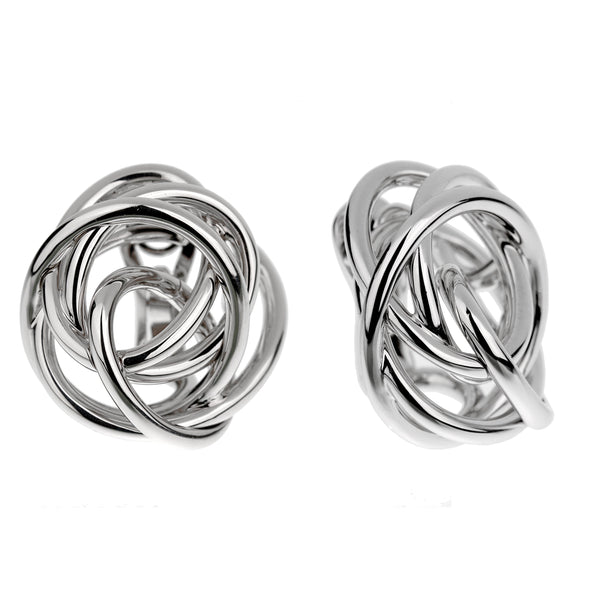
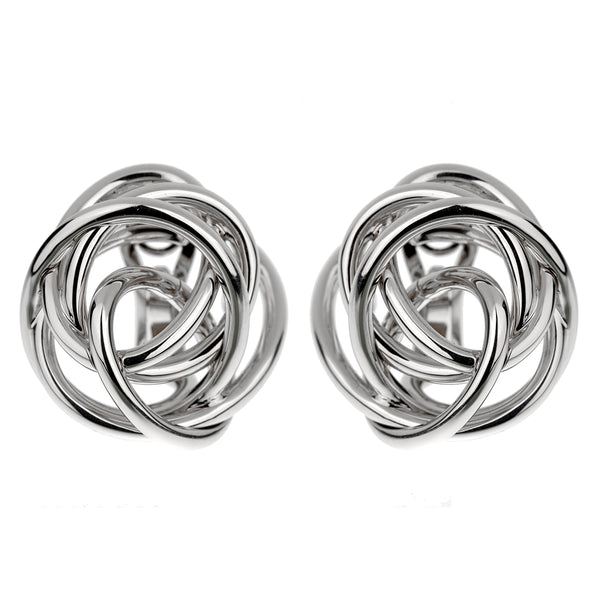

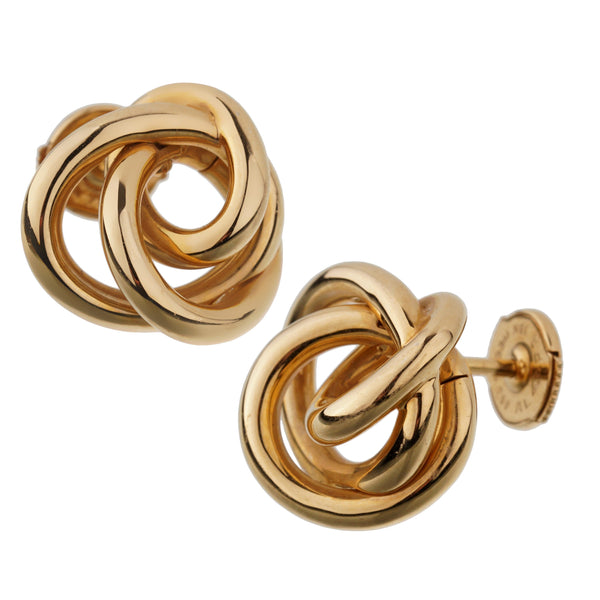
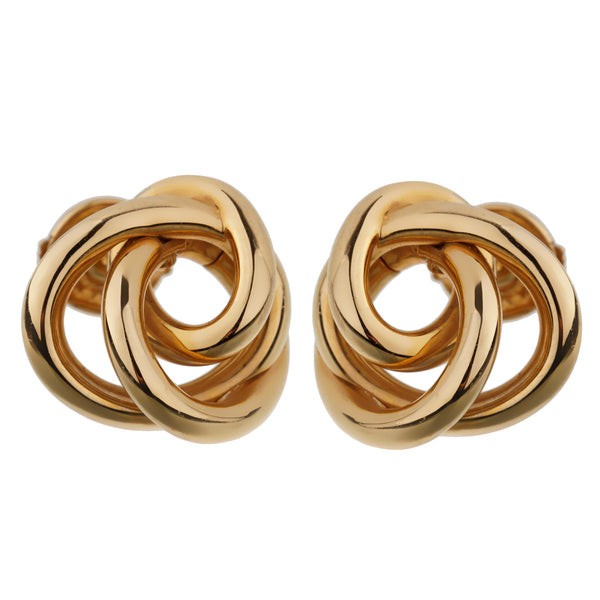

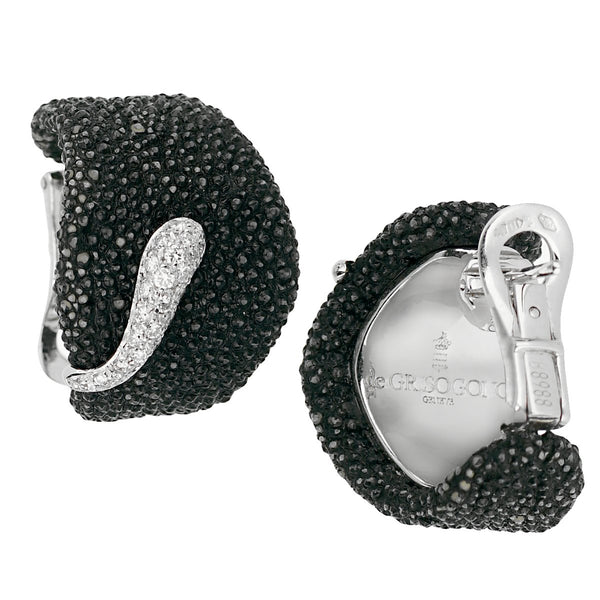
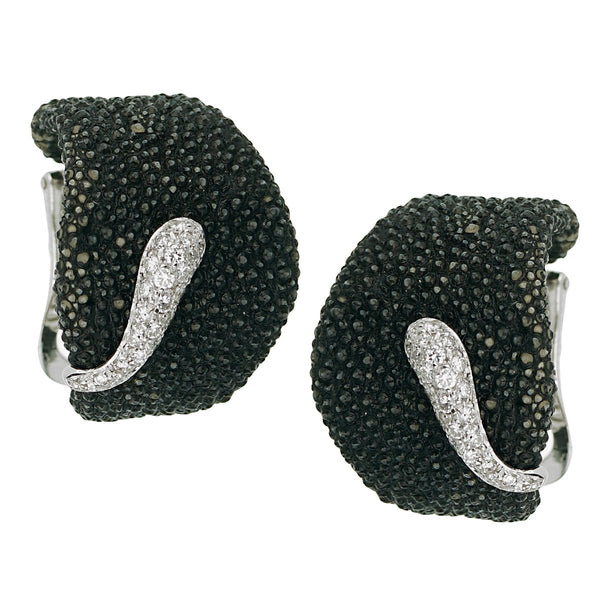



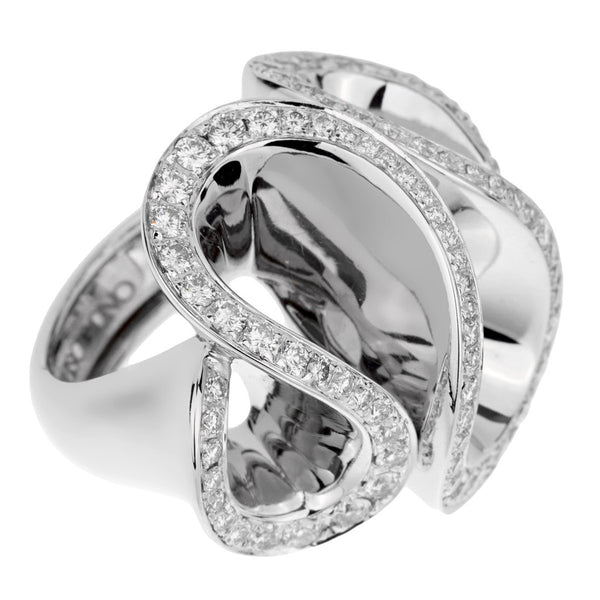
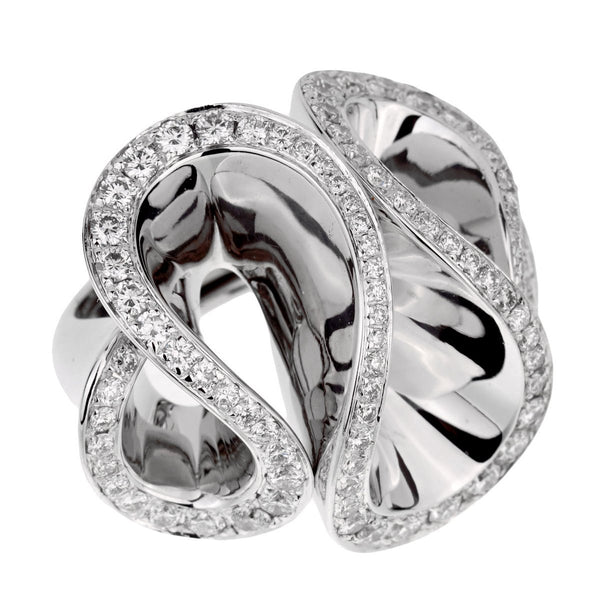

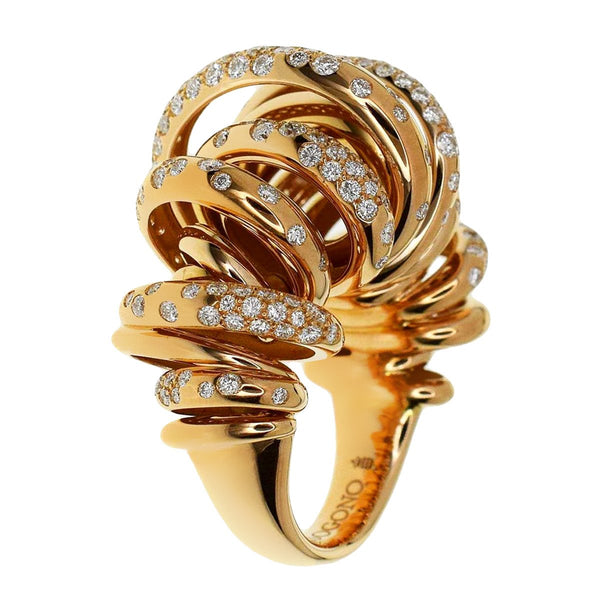
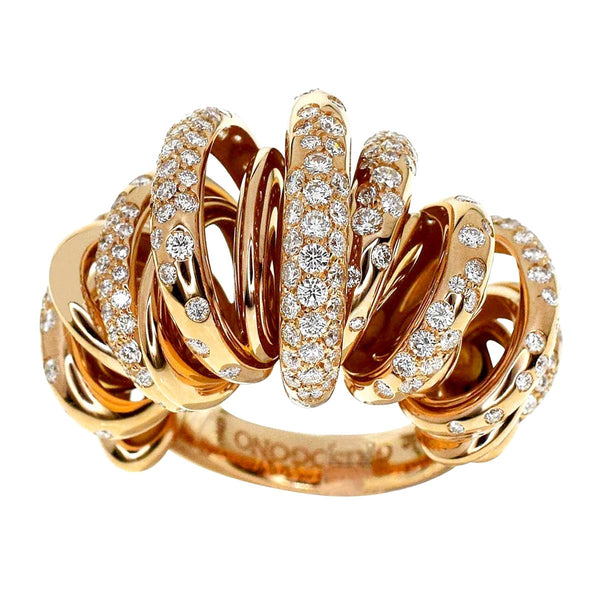

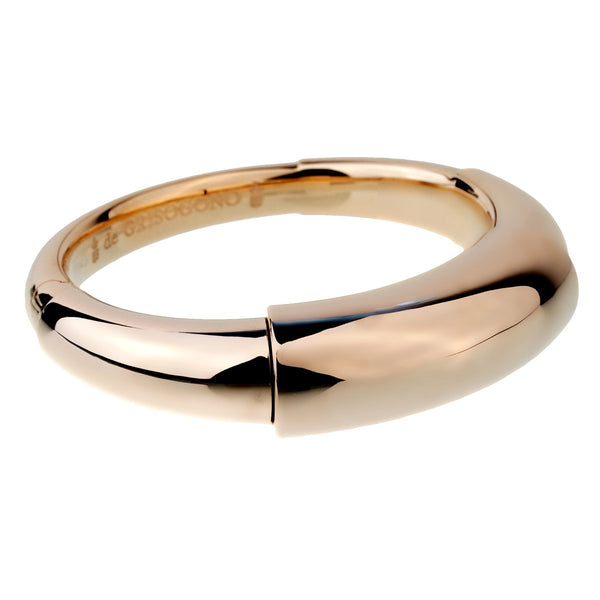
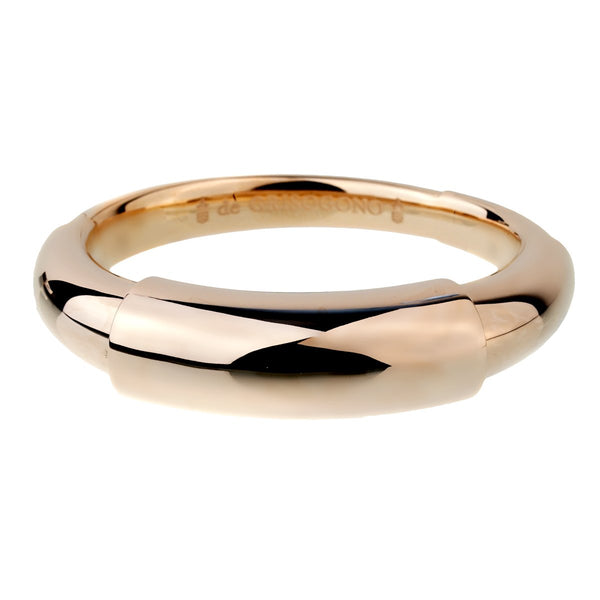

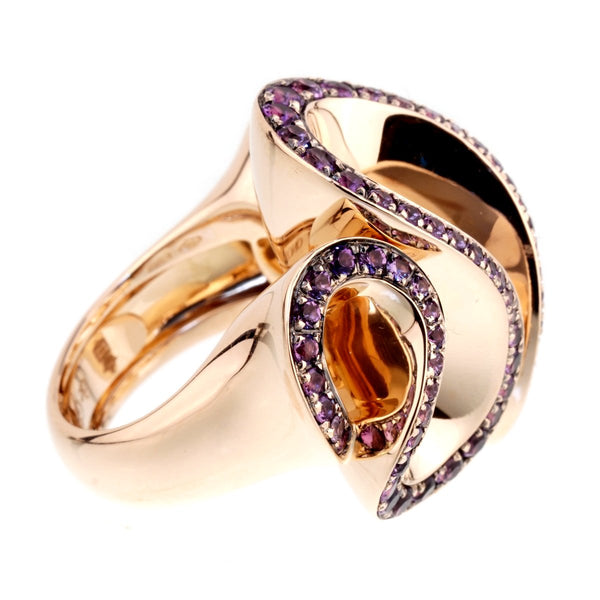
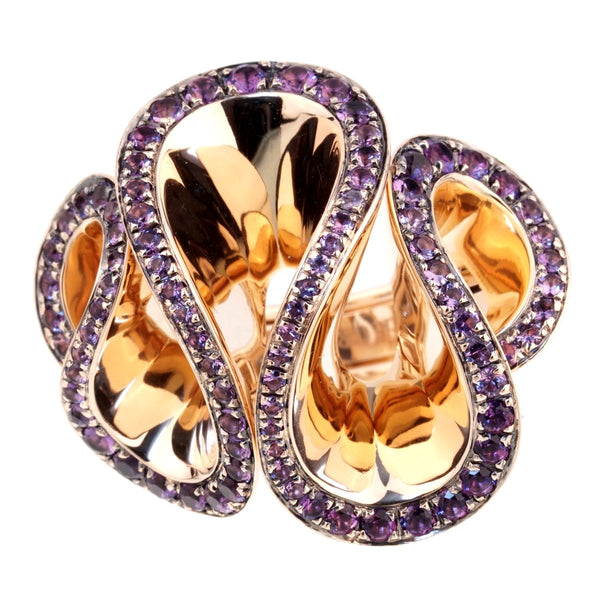

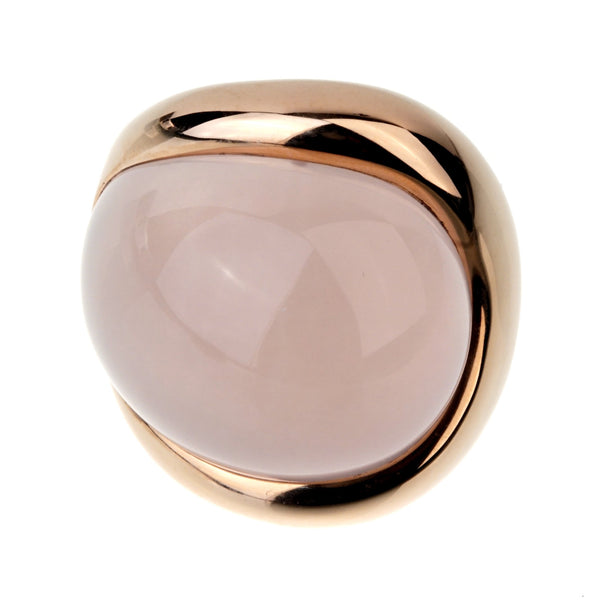
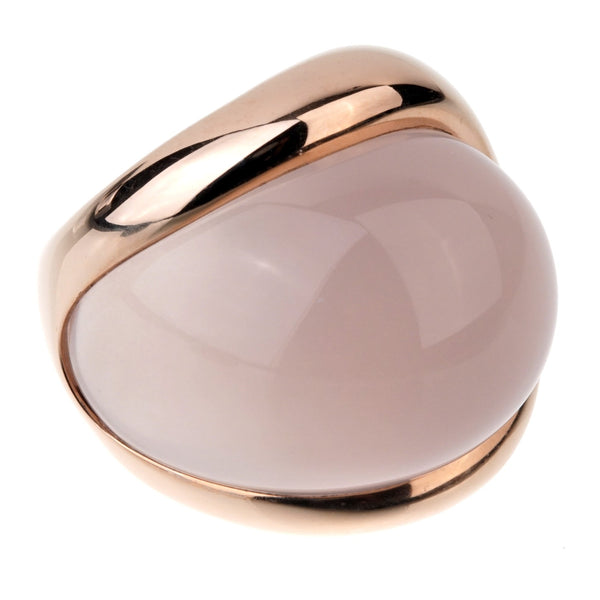

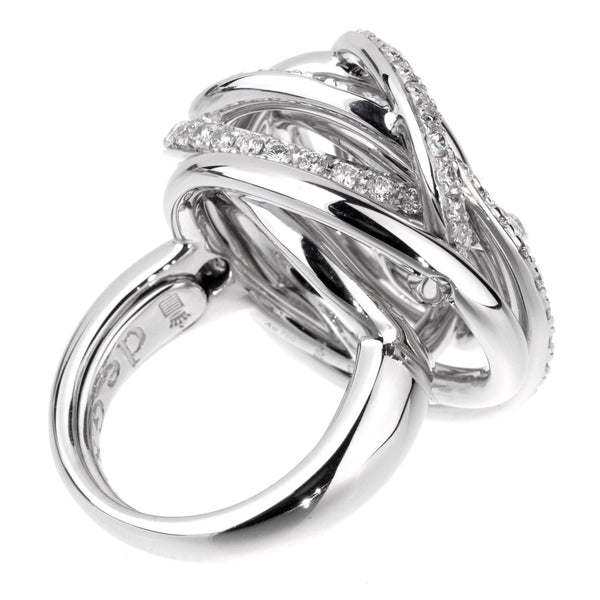
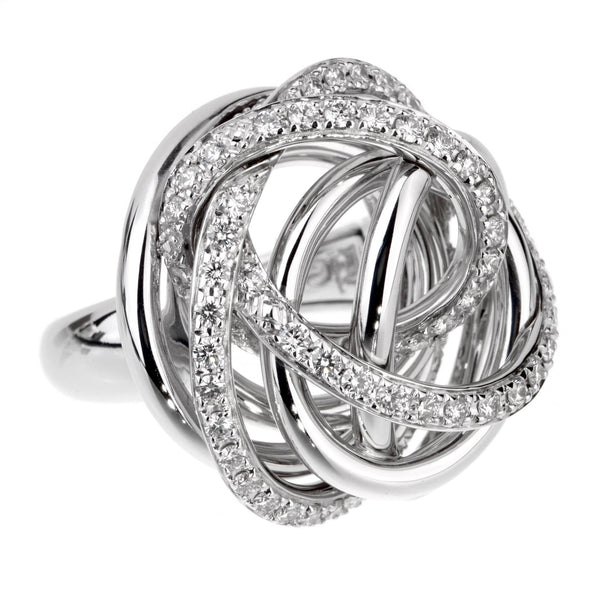

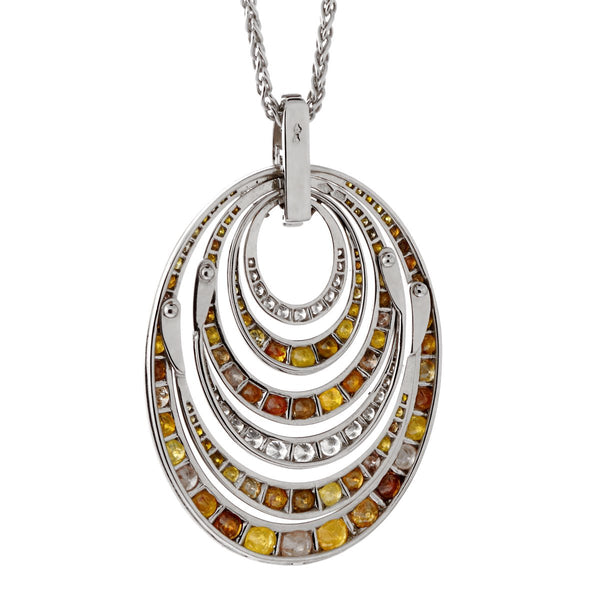
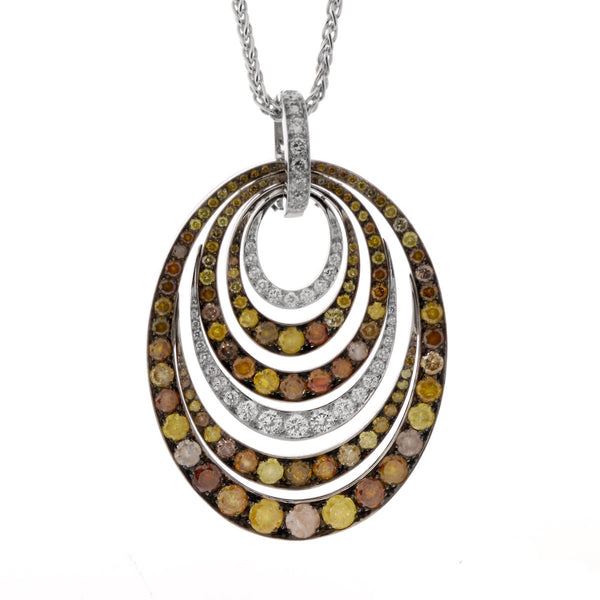

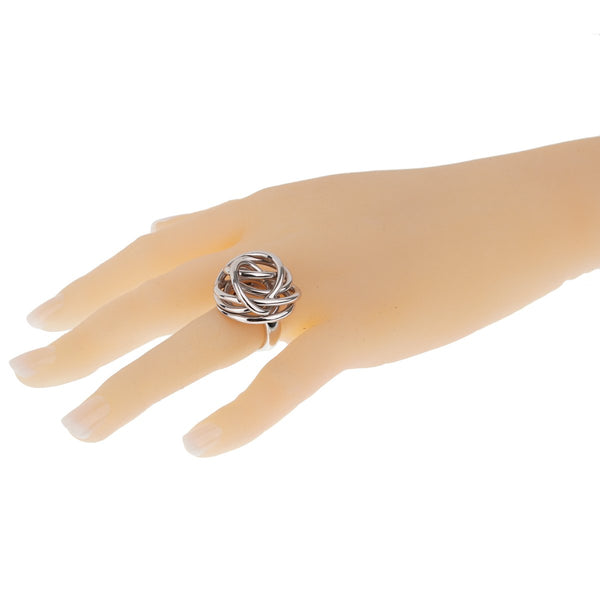
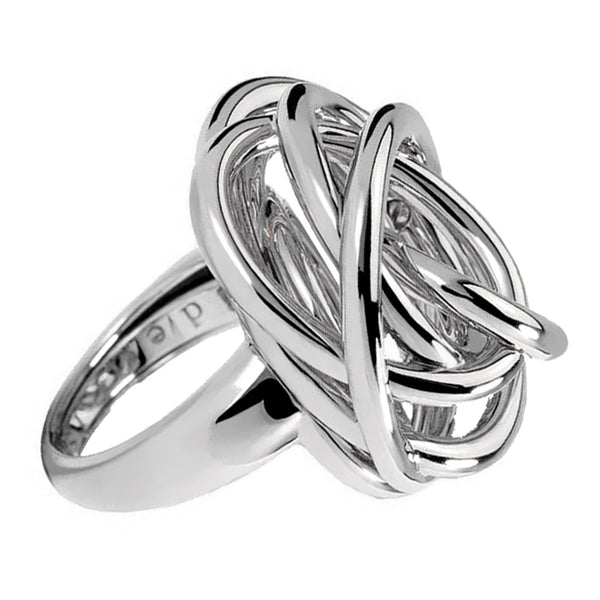

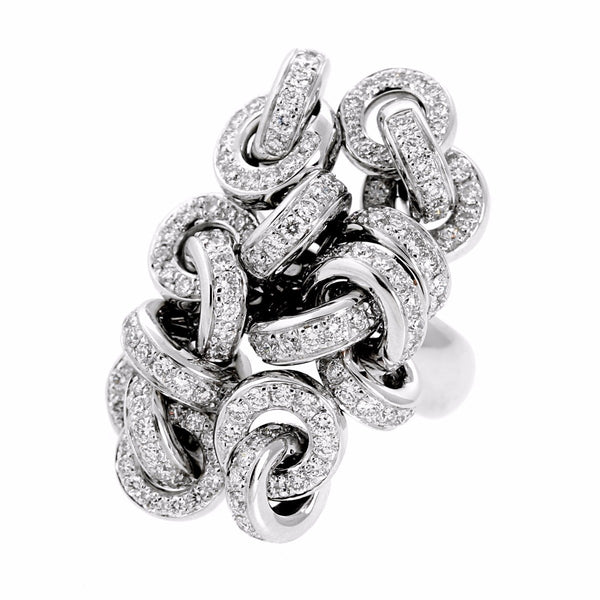
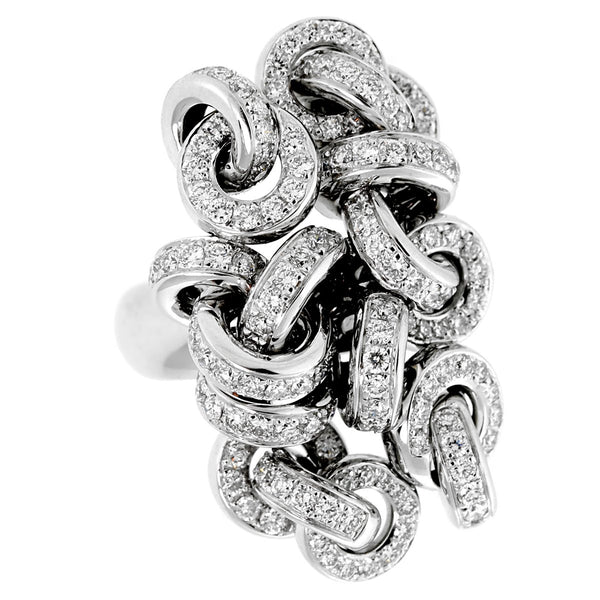

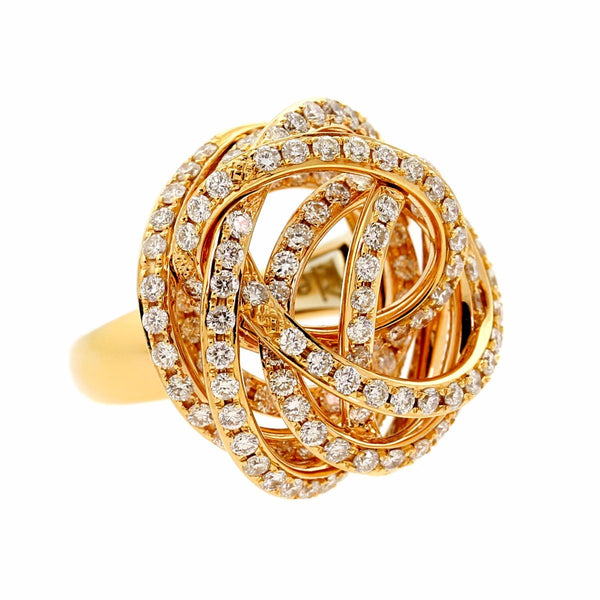
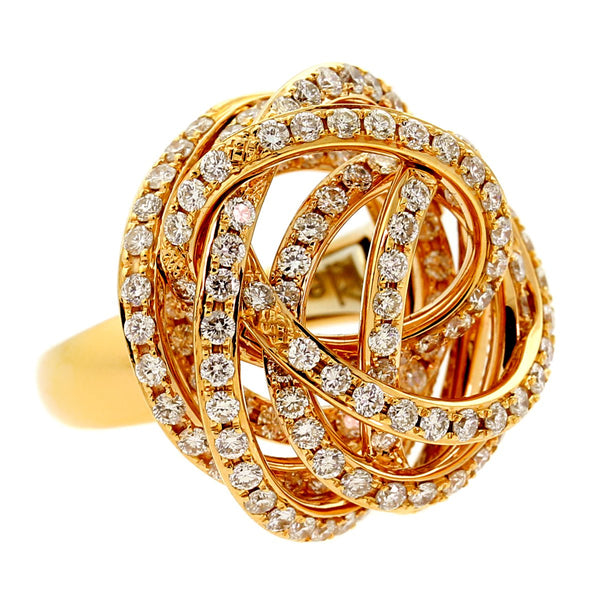

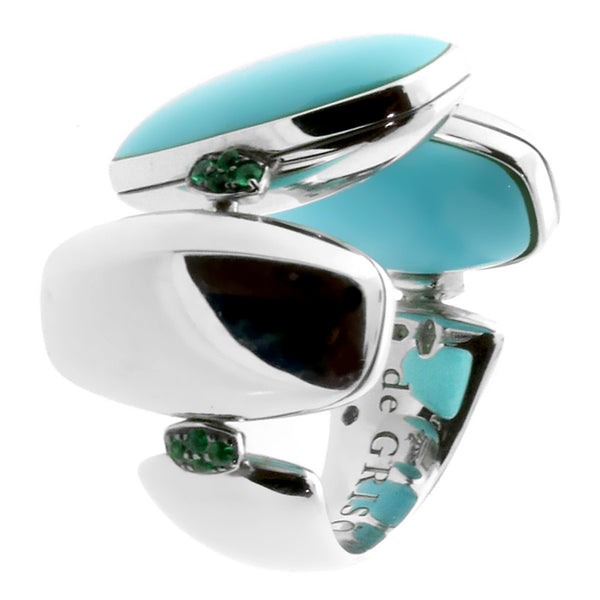
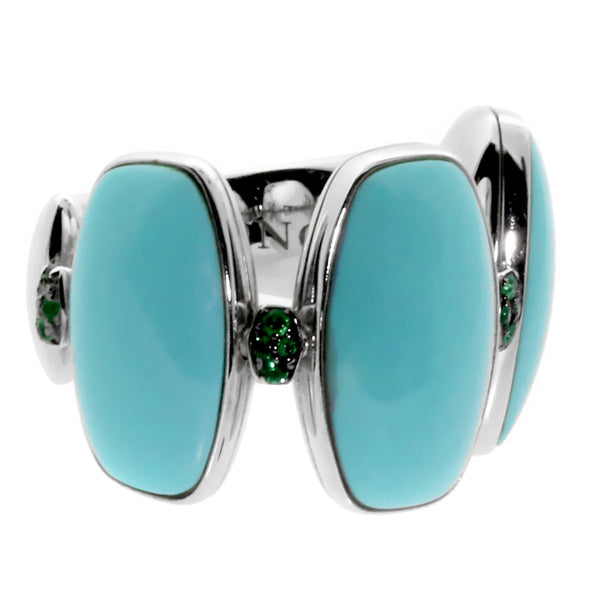
Fawaz Gruosi trained at Harry Winston and Bvlgari, earned the title King of Black Diamonds, and then built a house that made every other Geneva atelier look timid. What he made under the de Grisogono name between 1993 and 2019 will not be made again.
Opulent Jewelers — Authenticated Pre-Owned de Grisogono JewelryThe House That Made Black Diamonds Covetable — and Fine Jewelry Fearless
Fawaz Gruosi was born in Beirut, raised in Florence, and spent his formative jewelry years at two of the industry’s most demanding houses — Harry Winston and Bvlgari. He arrived at both with an eye already trained on color, volume, and the kind of stones that other jewelers set aside in favor of the more reassuring clarity of white diamonds and platinum. Black diamonds, at the time he began working with them seriously, were largely dismissed by the fine jewelry establishment. Gruosi saw something different in them: depth, drama, a quality of light that no other stone produced.
When he founded de Grisogono in Geneva in 1993 — naming the house after the Marquise de Grisogono, the mother of one of his co-founders, a name that translated from the ancient Greek as “begotten of gold” — he built it on that instinct. The house mixed black and white diamonds in the same setting before that was fashionable. It set emeralds against amethysts, combined precious and semi-precious stones in ways the established houses would not, and produced pieces at a scale and drama that made most contemporary fine jewelry look cautious by comparison.
The Allegra collection became the house’s most recognizable line — interwoven bands of gold and diamond, playful and architectural at once. Matassa brought gold into fluid, fabric-like forms. Ventaglio opened gold into fan-shaped lacework. In 2017, de Grisogono set a record at Christie’s Geneva when a necklace incorporating a 163.41-carat D Flawless emerald-cut diamond — the largest of its kind ever offered at auction — sold for $33.7 million USD. Three years later, the house filed for bankruptcy.
The original Gruosi-era de Grisogono pieces — designed and produced between 1993 and 2019 — represent a closed chapter in fine jewelry history specific to the house. Gruosi left de Grisogono in early 2019 and has continued designing under his own name. The collections he built at de Grisogono — the Allegra, Matassa, Ventaglio, and the rest — belong to that house and that period alone. At Opulent Jewelers, we carry authenticated pre-owned de Grisogono jewelry sourced from private estates and consignors. Every piece in our collection is a genuine artifact of the house at its peak.
de Grisogono Jewelry Lines We Carry
Allegra
The house’s most iconic and most collected line. Allegra is built on interwoven bands of 18-karat gold set with diamonds — white, black, or colored — in a dynamic, multi-strand configuration that gives the impression of movement even at rest. Available across rings, bracelets, necklaces, and earrings, Allegra is the de Grisogono piece most buyers recognize first and most collectors want most. Pieces set with black and white diamonds in the classic Gruosi combination are the most sought-after on the secondary market.
Matassa
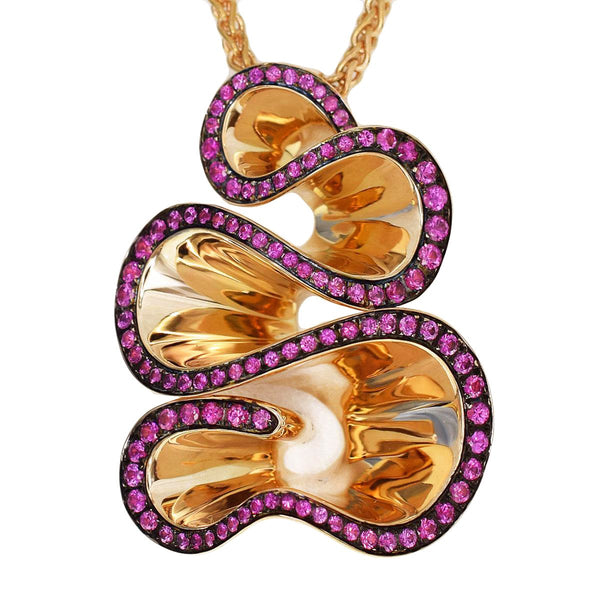
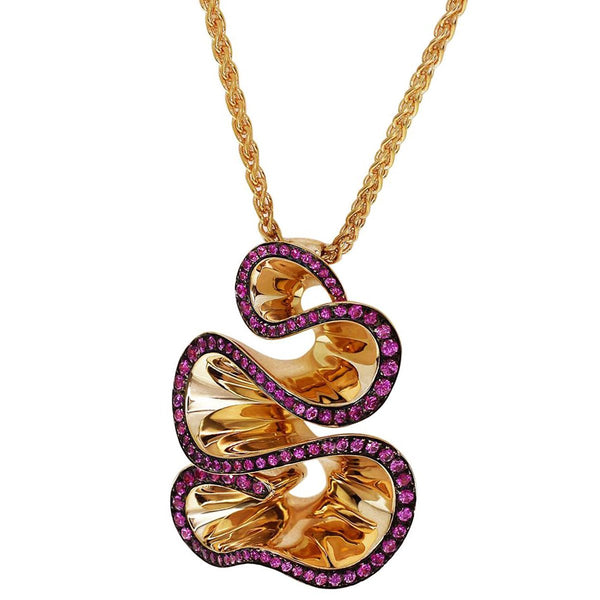
Italian for “skein” or tangled thread, Matassa translates the fluidity of fabric into 18-karat gold. Intricate gold strands intertwine and overlap to create bracelet and necklace forms that appear soft and organic despite being set in precious metal. Often accented with diamonds, Matassa pieces demonstrate Gruosi’s background in Florentine goldsmithing — the technical achievement required to render gold as though it were textile is extraordinary, and it is one of the clearest expressions of the house’s ambition.
Ventaglio
Inspired by the form of a hand fan, Ventaglio uses openwork gold construction and curved silhouettes to create pieces with a structural elegance that balances precision and movement. The collection’s lacework gold forms — crafted in 18-karat gold, often set with diamonds — represent de Grisogono at its most formally restrained, without ever becoming conservative. Ventaglio rings and earrings in particular are among the more wearable de Grisogono pieces for collectors who want the house’s craftsmanship in a slightly less maximalist format.
Melody of Colors & Stone-Set Pieces
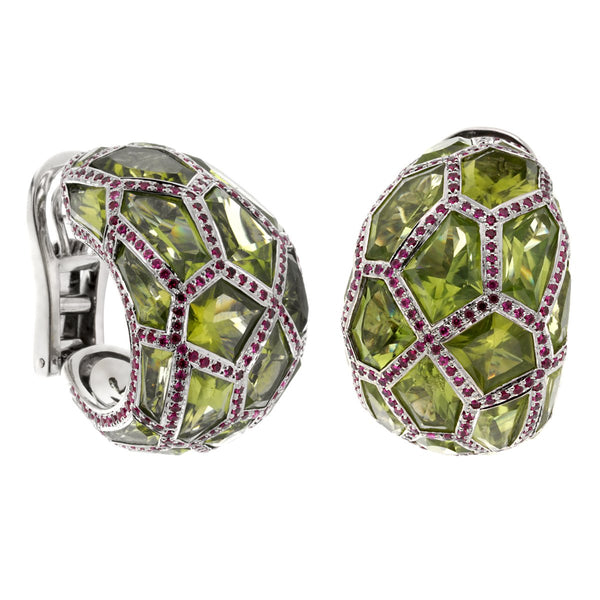
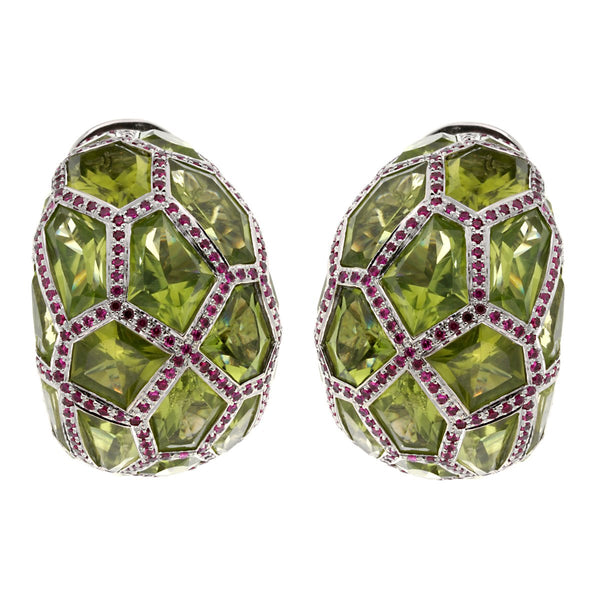
Gruosi’s most direct expression of his core philosophy: that the most interesting fine jewelry mixes stones that other designers keep separate. Emeralds alongside amethysts. Sapphires against pink opals. Rubies framed in black diamonds. Melody of Colors and de Grisogono’s broader stone-set collection celebrate chromatic combinations that the conservative Parisian houses would not attempt, in 18-karat gold settings designed to showcase the color rather than contain it.
Zigana & Archive Designs
Zigana and other archive de Grisogono designs represent the full breadth of what Gruosi produced across nearly three decades. Ornate patterns, elaborate textures, gemstone embellishments at a scale and confidence that reflected the house’s refusal to be restrained by convention. These pieces carry the most direct provenance — they are objects from a house that no longer exists in its original form, designed by a man who will not design for it again.
Original de Grisogono Pieces Are a Closed Chapter
De Grisogono filed for bankruptcy in January 2020. The house was subsequently acquired by the Damac Group of Dubai in 2022 and continues under new ownership — but the pieces designed and produced under Fawaz Gruosi between 1993 and 2019 represent a specific creative period that is definitively over. Gruosi left de Grisogono in early 2019, before the bankruptcy, and has since continued designing under his own name from a Mayfair boutique. His new work is his own — it carries none of the de Grisogono name, none of the house’s collections, and none of its design DNA in the way collectors understand it. The Allegra. The Matassa. The Ventaglio. Those are de Grisogono pieces. They will not come back.
What that means for the secondary market is straightforward: the original Gruosi-era de Grisogono pieces are now estate items. The house in its original form is gone. The collections he built are closed. The supply on the secondary market is fixed. For collectors who understood what the house was doing at its peak, this is the window. The dramatic, technically ambitious jewelry Gruosi produced under that name trades at prices that have not yet caught up with what the pieces actually represent as objects.
We source de Grisogono jewelry from private estates and direct consignors — pieces from collections built during the house’s active years. Every piece is authenticated before listing. The de Grisogono stamp, gold hallmarks, and construction quality are verified against the house’s production standards before anything enters our inventory.
Every de Grisogono Piece Authenticated Before It Is Listed
De Grisogono jewelry carries specific hallmarks and construction signatures that distinguish genuine Gruosi-era pieces. The house signed its work consistently and specifically — authentication is a matter of knowing what to look for.
Signature & Hallmarks
Authentic de Grisogono pieces are signed “DE GRISOGONO GENEVE” with the 750 gold hallmark and an individual serial number. The maker’s mark appears in a lozenge cartouche consistent with Swiss fine jewelry production. Pieces signed “DE GRISOGONO” without the Geneva designation are examined for production period and provenance. All hallmarks are verified under magnification.
Stone Verification
Black diamonds are verified for correct material — genuine black diamonds have a specific opacity and surface quality distinct from treated stones and glass imitations. White diamonds, colored stones, and semi-precious materials are assessed for authenticity, setting integrity, and quality consistent with de Grisogono’s production standards. Gruosi sourced exceptional stones; quality below that standard is a flag.
Construction Quality
De Grisogono pieces are characterized by exceptional goldsmithing complexity — the fluid strand construction of Matassa, the interwoven bands of Allegra, the lacework of Ventaglio all require a level of technical execution that imitations cannot replicate convincingly at close examination. Construction quality, finish detail, and setting precision are assessed on every piece.
Provenance & Documentation
Original de Grisogono boxes, certificates, and purchase documentation are retained where available. Given the house’s 2020 closure, estate provenance is increasingly the norm rather than the exception. Pieces sourced from identifiable private collections are described with full provenance context. Documentation available at time of purchase is noted in each listing.
Pre-Owned de Grisogono, Sourced with Conviction
We carry de Grisogono because the pieces Fawaz Gruosi designed are genuinely extraordinary — technically ambitious, visually fearless, and built at a standard that reflects the years he spent at Harry Winston and Bvlgari before he built his own house. These are not pieces that require explanation to the right buyer. They are immediately apparent as significant objects.
Our inventory is sourced from private estates and direct consignors and authenticated against the house’s specific production signatures before listing. We price to reflect honest secondary market value for a house whose original production has permanently ended.
Every piece is verified against de Grisogono’s specific signature format, hallmarks, and construction standards before listing. If it doesn’t authenticate, it does not enter our collection.
Our de Grisogono pieces come from private collections built during the house’s active years. Provenance context is provided for every piece, and original documentation is included where available.
We price de Grisogono to reflect current secondary market conditions for a house whose original creative period has closed. We welcome offers and are prepared to discuss comparable sales and provenance for any piece in our inventory.
de Grisogono Jewelry — What Buyers Ask
Who founded de Grisogono and what happened to the house?
De Grisogono was founded in Geneva in 1993 by Fawaz Gruosi — a Lebanese-Italian jeweler born in Beirut and raised in Florence who had previously worked at Harry Winston and Bvlgari. Gruosi became known as the “King of Black Diamonds” for his pioneering use of black diamonds at a time when the fine jewelry establishment largely ignored them. He left de Grisogono in January 2019, before the house filed for bankruptcy in January 2020. De Grisogono was acquired by the Damac Group of Dubai in 2022 and continues under new ownership. After departing de Grisogono, Gruosi launched his own eponymous fine jewelry brand, Fawaz Gruosi, with a boutique in Berkeley Square, Mayfair — continuing to design under his own name. The original de Grisogono collections — Allegra, Matassa, Ventaglio, and the rest of the Gruosi-era lines — remain a closed chapter specific to the house. Browse our current de Grisogono inventory to see what is available.
What is the most collected de Grisogono jewelry line?
Allegra is consistently the most recognized and most collected de Grisogono line on the secondary market. The collection’s interwoven gold and diamond bands — particularly in the black and white diamond combinations that defined the house’s visual identity — are the pieces most associated with Gruosi’s design sensibility and the most actively traded at auction and on the secondary market. Matassa is the second most sought-after category for collectors who appreciate the goldsmithing complexity behind the fluid strand construction.
What metal does de Grisogono use in its jewelry?
All de Grisogono fine jewelry is crafted in 18-karat gold — yellow, rose, or white — hallmarked 750. The house also produced pieces in white gold and occasionally in combinations of gold tones within the same setting. De Grisogono’s gold construction is characteristically substantial — the fluid strand pieces of the Matassa line and the interwoven bands of Allegra require significant gold volume to achieve their sculptural effects, and the weight of genuine pieces reflects that.
Are black diamonds in de Grisogono jewelry real?
Yes. De Grisogono used natural black diamonds — carbonado diamonds — which are genuine diamonds distinguished by their polycrystalline structure and opaque black appearance. Gruosi was instrumental in establishing black diamonds as a desirable fine jewelry material at a time when the industry largely dismissed them. Natural black diamonds have a specific opacity, surface texture, and light behavior that distinguishes them from treated white diamonds and glass imitations. We verify stone authenticity on every de Grisogono piece before listing.
Do you buy or consign de Grisogono jewelry?
Yes. We purchase de Grisogono jewelry outright and accept pieces on consignment across all collections — Allegra, Matassa, Ventaglio, Zigana, Melody of Colors, and other Gruosi-era designs. Given the house’s 2020 closure, provenance documentation and estate context are valuable and factor into our offer. Reach out through our consignment inquiry page to get started.