
Kieselstein Cord



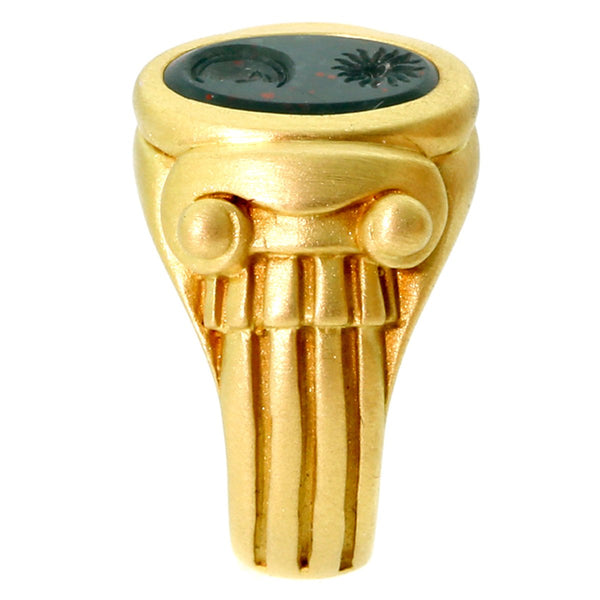
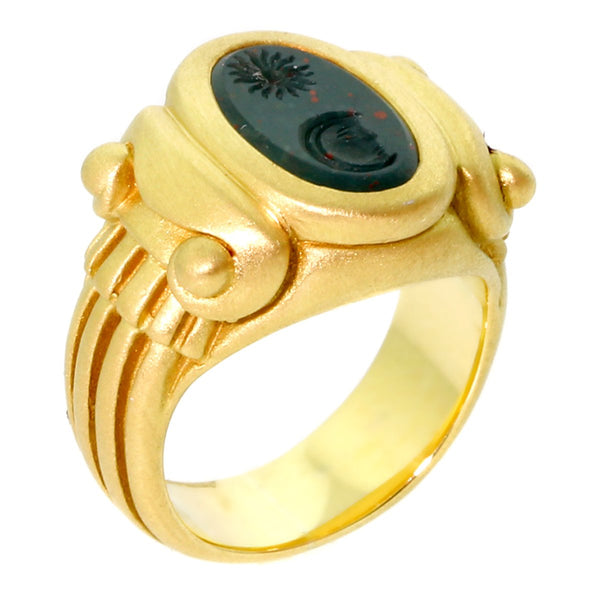
Barry Kieselstein-Cord understood that jewelry could function as sculpture without sacrificing wearability. His animal pieces — the alligator, the frog, the skull — are objects that belong equally in a museum vitrine and on a wrist. The Metropolitan Museum of Art, the Museum of Modern Art, and the Smithsonian agreed.
Opulent Jewelers — Authenticated Pre-Owned Barry Kieselstein-Cord JewelryPre-Owned Barry Kieselstein-Cord Jewelry — American Sculpture You Can Wear
Barry Kieselstein-Cord (1943–2022) was one of the most significant American jewelry and accessories designers of the twentieth century — a distinction underscored by the permanent collections of the Metropolitan Museum of Art, the Museum of Modern Art, and the Smithsonian Institution, all of which hold his work. He established his brand in New York in the early 1970s and over five decades produced fine jewelry, belt buckles, handbags, and accessories with a design intelligence that placed him consistently above the category of fashion accessories designer and into the territory of applied art. He received multiple CFDA Awards, including the Council of Fashion Designers of America's accessory designer of the year recognition, and his work was worn by a clientele that included Jackie Kennedy Onassis, Barbara Bush, and Mick Jagger.
The jewelry is what defines the Kieselstein-Cord legacy for collectors. Each piece is worked, cast, and finished to a standard that reflects a goldsmith's discipline rather than a fashion house's production tolerances — in animal motifs that are immediately recognizable: the alligator, the frog, the ram, the skull. These are not decorative objects that happen to be wearable; they are resolved sculptures that happen to be jewelry. The alligator cuff bracelet and the belt buckles became iconic American collector objects, and both continue to trade actively on the secondary market. Following Kieselstein-Cord's death in September 2022, pieces from his active production years carry additional estate significance that reflects their status as objects from a closed body of work.
Pre-owned Barry Kieselstein-Cord jewelry is sourced primarily from private estates and consignors. We authenticate every piece before listing and price against current secondary market conditions. If you are looking for a specific format — the alligator cuff, a ring, a buckle — reach out directly and we will source it for you.
Pre-Owned Kieselstein-Cord Jewelry — What Collectors Look For
Animal Motif Jewelry — The Alligator & Frog
The Kieselstein-Cord alligator is the defining object of the brand — a cuff bracelet or belt buckle in the form of a naturalistic alligator rendered with a precision that reflects Kieselstein-Cord's commitment to sculptural quality over decorative shorthand. The scale, the surface texture, and the weight of genuine Kieselstein-Cord animal pieces are specific and immediately distinguishable from lesser work in the same idiom. The frog, the ram, and other animal formats appear across bracelets, rings, pendants, and buckles. Barry Kieselstein-Cord animal motif jewelry — particularly the alligator — represents the strongest and most active collector category in the brand's secondary market.
Belt Buckles
Kieselstein-Cord's belt buckles — produced in animal motif and abstract formats — were among the objects that first brought him to wide recognition and remain among the most collected pieces in his body of work. The alligator buckle in particular is a canonical object of American accessory design, held in museum collections and actively sought on the secondary market. Pre-owned Kieselstein-Cord belt buckles with intact finish and original construction represent some of the most wearable and visually immediate pieces in the estate jewelry market. Buckles with original leather belts are noted and priced accordingly.
Rings, Earrings & Pendants
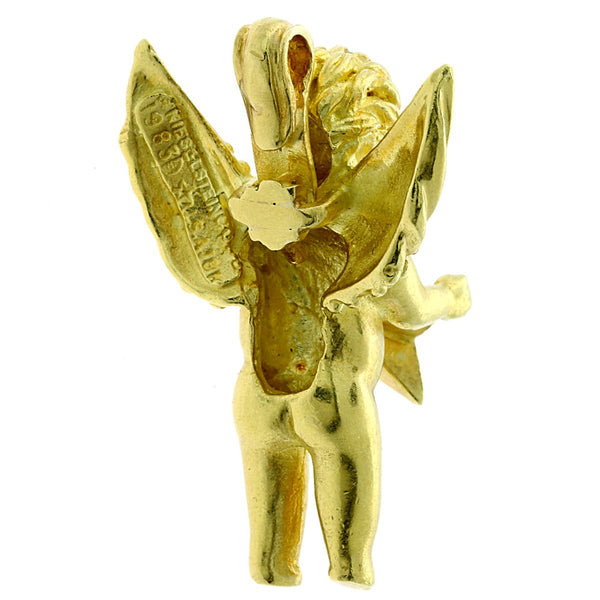
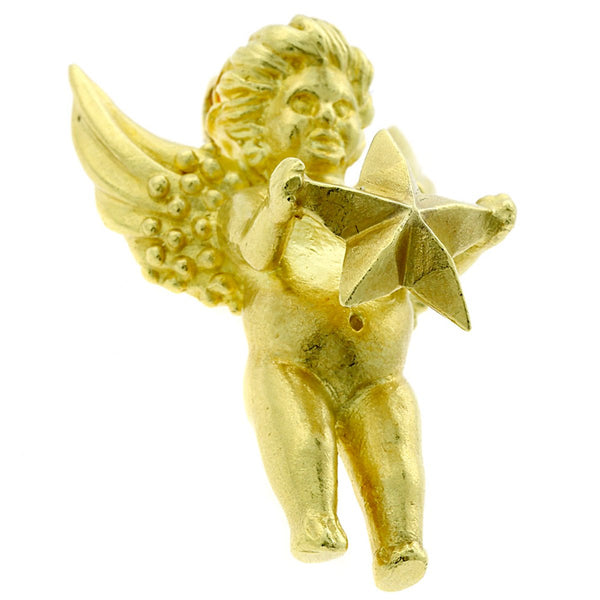
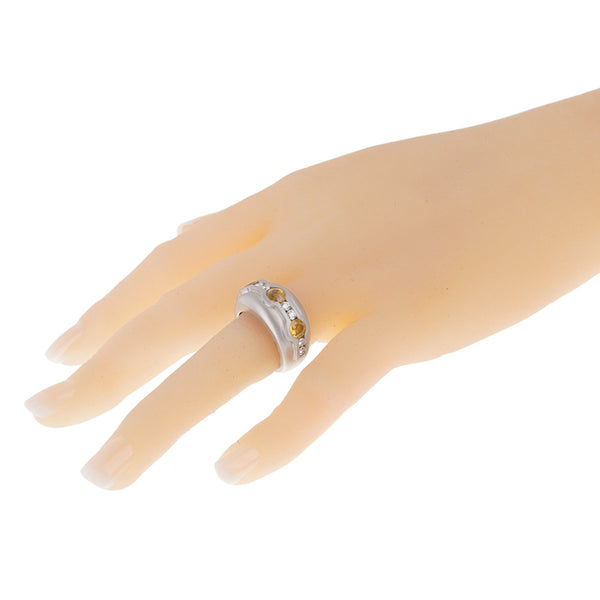
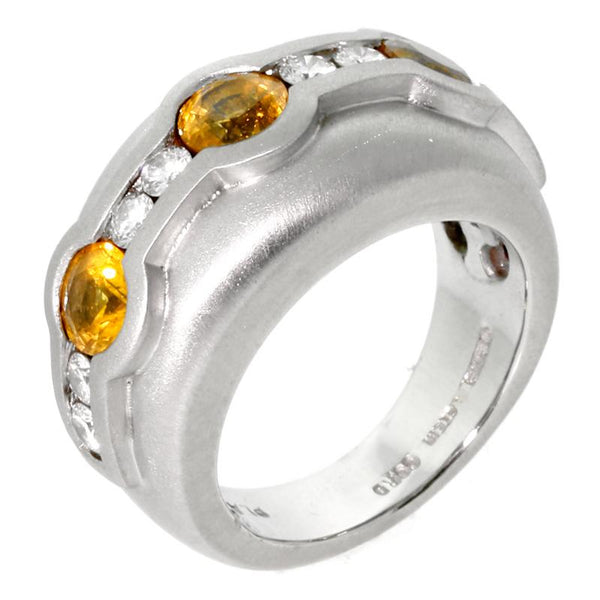
Kieselstein-Cord produced a full range of wearable fine jewelry beyond the signature cuffs and buckles — rings in animal and abstract formats, clip and pierced earrings, and pendants that carry the same sculptural quality as his larger pieces at more accessible price points. Kieselstein-Cord rings in the alligator or skull format are among the most searched pieces in his secondary market, and earrings in animal motif represent strong entry points for collectors new to the brand. All pieces carry the appropriate metal hallmark and the designer's signature.
Early Production — 1970s & 1980s
Pieces from Kieselstein-Cord's early production years — the 1970s and 1980s, when the signature animal motifs were established and the brand's design vocabulary was at its most inventive — carry collector premiums over later production. The quality of the casting and finishing from this period is consistent with Kieselstein-Cord's direct involvement in production oversight. Following his death in 2022, all pieces represent estate production from a closed body of work, but early examples with provenance from this formative period attract the strongest collector attention.
What We Verify on Every Pre-Owned Kieselstein-Cord Piece
The Kieselstein-Cord name and the alligator motif in particular are widely imitated. Genuine pieces carry specific hallmarks and a level of casting and finishing quality that is not replicated in the imitation market. We verify signatures, metal hallmarks, and construction quality on every piece before listing.
Genuine Kieselstein-Cord pieces are signed — typically stamped with the designer's name or the brand mark — and carry the appropriate metal hallmark. The signature placement and stamp depth are specific to genuine production. Unsigned pieces or pieces with inconsistent hallmarks are not listed as Kieselstein-Cord regardless of represented provenance.
The quality of the casting in genuine Kieselstein-Cord pieces is specific — detail sharpness, surface texture, and weight are consistent with his production standards and distinguishable from imitations. The alligator scales and animal surface details on genuine pieces have a definition that reflects museum-quality casting. Soft or imprecise detail is a reliable indicator of non-genuine production.
Hinge mechanisms on cuff bracelets, clasp construction on buckles, and setting quality on any stone-set pieces are examined. Genuine Kieselstein-Cord construction has a finish consistency and mechanical quality appropriate to the price point at which these pieces originally sold. Repairs, replaced components, or non-original modifications are identified and disclosed.
Surface condition — finish quality, wear patterns, and any prior repairs — is graded and disclosed on every piece. Condition issues are stated explicitly and reflected in pricing. We do not represent pieces in better condition than they actually present, and any restoration work is identified before listing.
Pre-Owned Kieselstein-Cord Jewelry — What Buyers Ask
Barry Kieselstein-Cord (1943–2022) was a New York-based jewelry and accessories designer who established his eponymous brand in the early 1970s. He is recognized as one of the most significant American jewelry designers of the twentieth century — a distinction supported by the permanent collections of the Metropolitan Museum of Art, the Museum of Modern Art, and the Smithsonian Institution, all of which hold his work. He received multiple CFDA Awards and built a clientele that included Jacqueline Kennedy Onassis, Barbara Bush, and Mick Jagger. His animal motif jewelry — particularly the alligator pieces — became defining objects of American collector jewelry. He passed away in September 2022, making all pieces from his production years estate pieces from a closed body of work.
Kieselstein-Cord jewelry is known above all for its animal motifs — the alligator cuff bracelet and belt buckle are the canonical pieces, but the range extends to frogs, rams, skulls, and other animals rendered with a sculptural precision that placed the work in museum collections rather than simply in jewelry stores. The design philosophy was consistent: naturalistic representation executed in high-quality casting, finished to a standard that reflects an artist's commitment rather than a production house's economics. Beyond the animals, Kieselstein-Cord also produced abstract pieces, gold jewelry, and a broader accessories range including handbags. It is the animal jewelry that defines the brand for collectors and commands the strongest secondary market interest.
Pre-owned Kieselstein-Cord jewelry spans a broad range depending on format, metal, period, and condition. Rings and pendants typically start from approximately $800 to $2,500 depending on size and metal content. Earrings range from $1,000 to $3,500 for clip formats in good condition. Cuff bracelets — particularly the alligator — range from $2,500 to $8,000 or more in gold depending on scale and condition. Belt buckles in the alligator format vary widely based on metal and scale. Early production pieces from the 1970s and 1980s in excellent condition attract collector premiums above these ranges. All pricing reflects current secondary market conditions.
Genuine Kieselstein-Cord pieces carry the designer's signature or brand mark — typically stamped — along with the appropriate metal hallmark. The casting quality of genuine pieces is the most reliable authentication indicator: the detail sharpness on animal surfaces, the weight consistency, and the surface finish of genuine pieces are specific and clearly distinguishable from imitations. The alligator motif in particular is widely copied at lower quality levels — on genuine pieces, the individual scales have definition and the overall form has a sculptural resolution that imitations consistently fail to replicate. Every piece we list has been verified against these criteria before it enters our collection.