
Faberge Jewelry

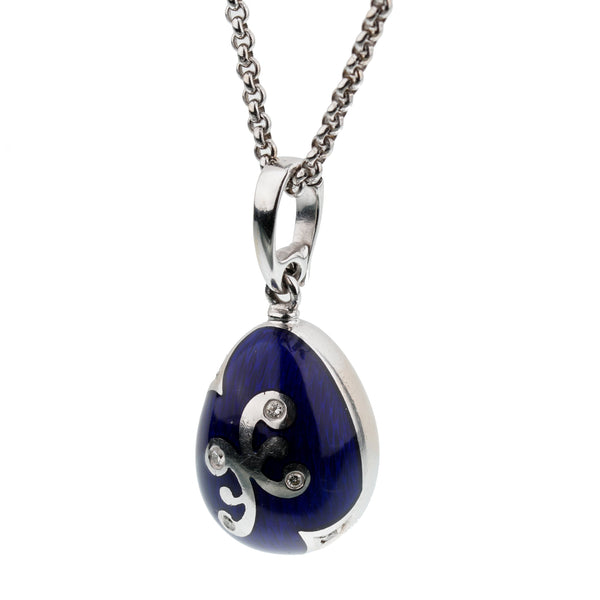
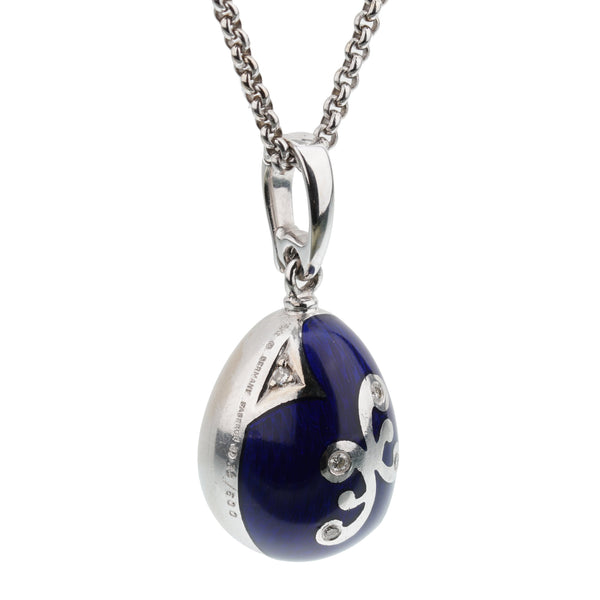
Peter Carl Fabergé elevated the jeweler's craft to something closer to fine art — objects of such technical refinement and imaginative precision that they stopped being jewelry and became permanent fixtures of cultural memory. Pieces bearing his mark are among the most recognizable objects ever made.
Opulent Jewelers — Authenticated Pre-Owned Fabergé JewelryPre-Owned Fabergé Jewelry — The Most Famous Name in Fine Jewelry
The House of Fabergé was established in St. Petersburg in 1842 and reached its creative apex under Peter Carl Fabergé, who took control of the family firm in 1872. Over the following four decades, Fabergé transformed what had been a competent goldsmithing business into the most celebrated jewelry house in the world — producing work for the Russian Imperial court, European royal families, and the international aristocracy that combined technical mastery with an inventiveness that made every piece a resolved object rather than a decorated one. The Imperial Easter Eggs, commissioned annually by Tsar Alexander III from 1885 and continued by Nicholas II, are the most famous individual objects in the history of fine jewelry: fifty were made for the Imperial family, and each one represents a level of craft ambition that has never been equalled.
The house closed following the Russian Revolution in 1917. The Fabergé name and brand rights have since changed hands several times, and the modern Fabergé house — relaunched formally in 2009 and 2012 — produces contemporary fine jewelry and timepieces that draw on the house's visual heritage while working in a distinctly current idiom. The Black Widow brooch, one of the modern house's most recognized pieces, became a significant cultural object in its own right — a diamond-set spider rendered with the kind of technical exactness that connects to Fabergé's historical reputation for precision enameling and stone setting. Pre-owned Fabergé jewelry from the modern house appears on the secondary market and represents genuine collector interest in a name that carries more cultural weight than perhaps any other in fine jewelry.
Fabergé pieces come to market rarely. When they do, they move quickly. We source from private estates and consignors across all collecting categories — reach out directly if you are looking for a specific piece or format and we will alert you when something matching your criteria becomes available.
Pre-Owned Fabergé Jewelry — The Key Categories
Fabergé Brooches — Including the Black Widow
The Fabergé Black Widow brooch — a diamond-pavé spider rendered in white gold with black rhodium — became one of the most searched fine jewelry pieces of the modern era, drawing attention to a house that many outside the collector world knew only by name. The brooch demonstrates exactly what the modern Fabergé house does well: technically demanding stone setting and a design concept executed with precision rather than compromise. Pre-owned Fabergé brooches across formats — spider, flora, and other motifs — represent the most actively traded category of modern Fabergé jewelry on the secondary market. A Fabergé brooch in excellent condition with original box and papers is a strong collector purchase.
Fabergé Egg Pendants & Necklaces
The egg motif — drawn directly from the Imperial Easter Eggs — is the signature format of Fabergé jewelry across all production periods. The modern house produces egg pendants in 18-karat gold with enamel, diamond setting, and stone that reference the Imperial tradition while functioning as wearable contemporary jewelry. Pre-owned Fabergé egg necklaces and pendants are the most broadly recognized Fabergé jewelry format outside the brooch category, and pieces in excellent condition with verifiable house markings represent solid secondary market value. The Fabergé egg pendant is the piece most associated with the brand by collectors approaching the category for the first time.
Modern Fabergé Fine Jewelry — Rings, Earrings & Bracelets
The relaunched Fabergé house produces rings, earrings, and bracelets in 18-karat gold with diamonds and colored stones that position the brand within the upper tier of contemporary fine jewelry rather than as a historical reproduction exercise. The Fabergé Emotions collection and other modern lines use colored gemstones — sapphires, rubies, emeralds — in settings that reflect the house's historical association with vibrant color. Pre-owned modern Fabergé rings and earrings in excellent condition represent an accessible entry point into a name that commands cultural recognition far beyond its current production volume.
Pre-Revolution & Soviet-Era Fabergé Objects
Original pieces made by the House of Fabergé before the 1917 closure — hardstone animals, cigarette cases, picture frames, and small decorative objects — represent the highest tier of the Fabergé secondary market and appear primarily through major auction houses and specialist dealers. These are objects of museum quality and carry significant provenance requirements. Any piece purporting to be original pre-revolution Fabergé requires extensive documentation and specialist authentication. When pieces from this period do appear on the open market in authenticated condition, they represent some of the most significant fine decorative art available to private collectors.
What We Verify on Every Pre-Owned Fabergé Piece
The Fabergé name commands such recognition that it attracts misrepresentation at every price point. Modern Fabergé pieces from the relaunched house carry specific hallmarks and house signatures distinct from period pieces and from unlicensed use of the Fabergé name on unmarked objects. We verify house markings, construction quality, and provenance documentation before listing any piece under the Fabergé name.
Modern Fabergé pieces carry the Fabergé signature and the appropriate gold hallmark. The signature format, font, and placement are specific to the relaunched house's production and are verified under magnification. Pieces without verifiable house markings are not listed as Fabergé regardless of represented provenance.
Fabergé's production quality — stone setting precision, enamel application, and metal finishing — is specific and assessable against the house's known output. The Black Widow and related brooch formats have identifiable diamond-setting and rhodium-treatment characteristics. Departures from expected construction quality are always flagged.
Diamond pavé security, colored stone condition, and enamel integrity are assessed on every piece. Missing stones, replaced enamel, or repaired settings are disclosed explicitly. The completeness and originality of stone work is a primary value driver for Fabergé pieces and is stated clearly in every listing.
Original Fabergé box and certificate of authenticity are noted when present and add meaningful value. We verify that accompanying documentation matches the specific piece — mismatched paperwork is flagged. Pieces without original documentation are priced to reflect this and disclosed accordingly.
Pre-Owned Fabergé Jewelry — What Buyers Ask
The Fabergé Black Widow brooch is a spider brooch produced by the modern Fabergé house, set in white gold with diamond pavé and finished with black rhodium to render the spider's body. It became one of the most widely recognized fine jewelry pieces of its era — combining a design concept that would read as theatrical in lesser hands with the kind of technical stone setting that the Fabergé name requires. The piece draws a direct line between the modern house's production and the historical Fabergé reputation for objects that are technically demanding and conceptually resolved. Pre-owned Fabergé Black Widow brooches in excellent condition with original box and papers are among the most actively searched Fabergé pieces on the secondary market. Contact us if you are looking for one — we will notify you when a piece becomes available.
Original Fabergé — pieces produced by the House of Fabergé under Peter Carl Fabergé before the house closed in 1917 — are museum-quality objects that appear on the market only through major auction houses and specialist dealers, typically with substantial provenance documentation and prices to match. The Imperial Easter Eggs and the decorative objects from this period are among the most significant artifacts of the applied arts. Modern Fabergé refers to pieces produced by the relaunched Fabergé brand, operating formally since 2009 and 2012. The modern house produces contemporary fine jewelry — brooches, egg pendants, rings, earrings — that draws on the Fabergé visual heritage while working in a current production context. Both are authentic Fabergé; they represent entirely different tiers of the market. What appears on the pre-owned secondary market is almost exclusively modern Fabergé production.
Modern Fabergé pieces carry the Fabergé signature and appropriate gold hallmark — typically 750 for 18-karat gold — in specific placements consistent with the house's production. The construction quality of genuine modern Fabergé is identifiable: precise stone setting, consistent metal finishing, and enamel work executed to a standard that reflects the house's heritage positioning. Original documentation — certificate of authenticity and original Fabergé box — supports authentication and adds value but is not the only indicator. Pieces without documentation can be authenticated against known genuine production. The Fabergé name is widely misused on unmarked or poorly made objects; any piece presented as Fabergé without verifiable house markings should be treated with significant skepticism.
Pre-owned modern Fabergé jewelry spans a wide range depending on format, stone content, and condition. Entry-level Fabergé egg pendants in 18-karat gold without significant diamond content typically trade from approximately $1,500 to $4,000. Diamond-set pieces — including the Black Widow and other brooch formats — range from approximately $5,000 to $25,000 or more depending on diamond weight, quality, and completeness of the stone work. Pieces with original box and certificate of authenticity command a premium over examples without documentation. The Fabergé name itself carries significant value recognition that supports secondary market pricing above comparable pieces from lesser-known houses.
The original Imperial Fabergé Easter Eggs — fifty were made for the Russian Imperial family between 1885 and 1916 — are museum pieces. Of the fifty, eight are currently unaccounted for. When Imperial eggs have appeared at auction, they have sold for tens of millions of dollars. They are not secondary market items in any practical sense. What is readily available on the pre-owned market is the modern Fabergé egg pendant — a wearable egg-motif piece in 18-karat gold with enamel or stone, produced by the relaunched house and representing a genuine piece of Fabergé jewelry at an accessible price point. If you are specifically looking for a Fabergé egg pendant, contact us and we will source one for you.
Yes. We source Fabergé pieces from private estates and consignors on an ongoing basis. Fabergé comes to market infrequently relative to the search volume for the name — when a piece does become available we place it immediately. If you are looking for a specific format — the Black Widow brooch, an egg pendant, a ring from a particular collection — reach out directly with what you are looking for and we will contact you as soon as something matching your criteria becomes available. We do not hold inventory speculatively; pieces are listed the moment they are authenticated and priced.