
Chanel Jewelry









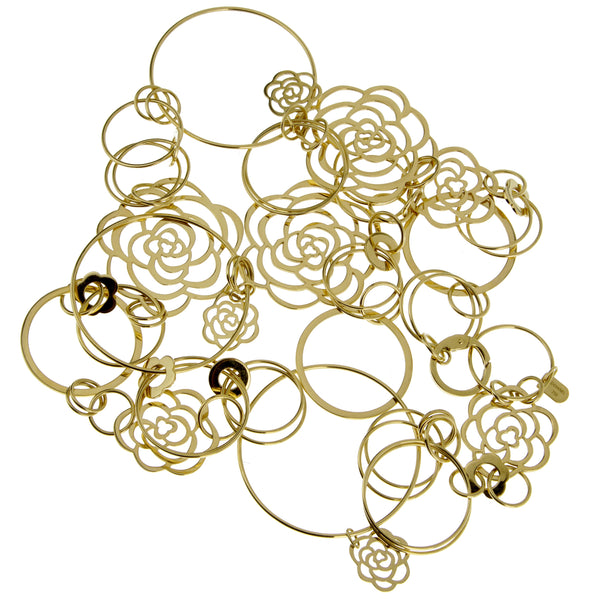

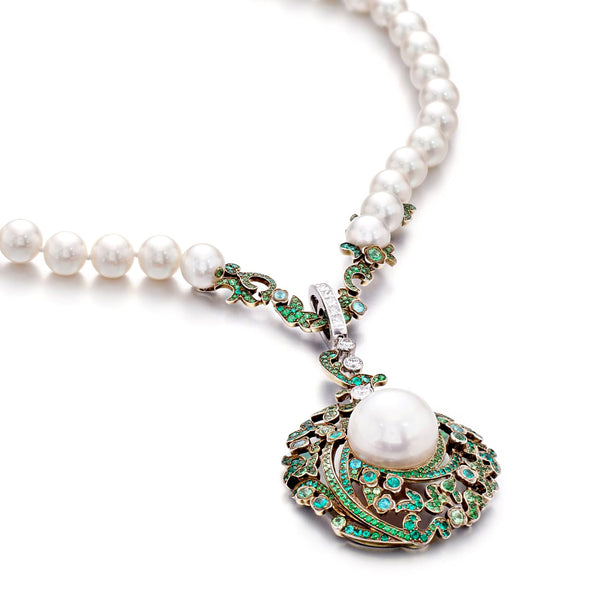
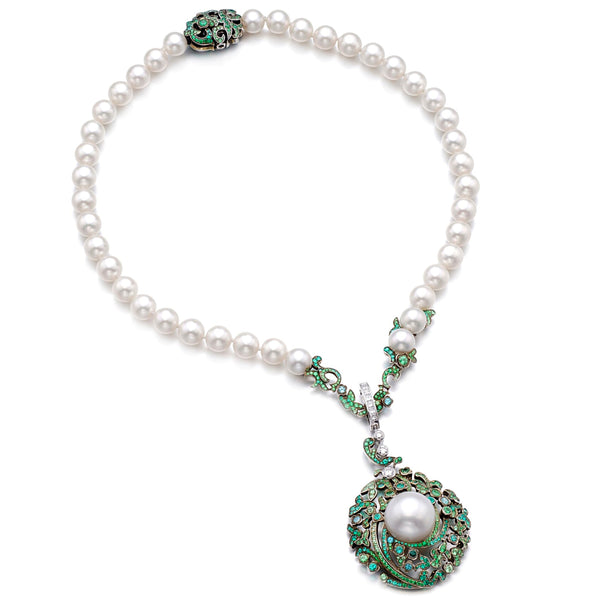
Coco Chanel did not believe in the hierarchy of materials. She mixed paste with pearls, gilt with diamonds, and in doing so invented an entirely new idea of what jewelry could mean — that what you wore should express who you were, not what you cost.
About Chanel Jewelry
Chanel's relationship with jewelry began with a revolution. When Gabrielle "Coco" Chanel introduced her first costume jewelry pieces in the 1920s — long ropes of faux pearls, gilt chains, and boldly scaled brooches worn with her jersey suits and little black dresses — she was doing something genuinely radical. At a time when fine jewelry was the only jewelry that counted, worn exclusively to signal wealth and social position, Chanel declared that costume jewelry was equally valid, equally beautiful, and that the point of wearing it was not to impress but to express. Her conviction that women should mix paste with pearls, fake with real, and wear whatever pleased them regardless of its material value fundamentally changed the way jewelry was thought about and worn.
From those first costume pieces, Chanel built a jewelry vocabulary that remains among the most immediately recognizable in the world: the interlocking double-C logo, the camellia flower that was Coco's personal emblem, the quilted matelassé pattern derived from the house's signature fabric, the comet motif, the baroque pearl. These are not simply design elements — they are a symbolic language developed over a century of consistent creative vision, one that connects every Chanel jewelry piece made today to the founding philosophy of the house.
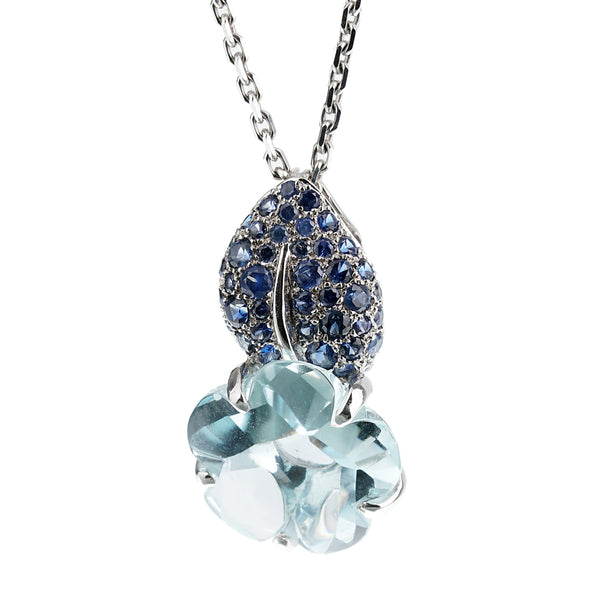
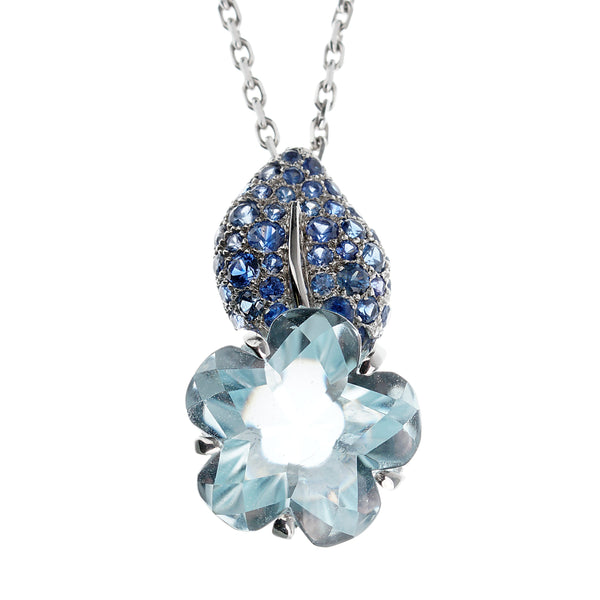
Chanel entered the fine jewelry market in earnest in 1998, establishing its own dedicated fine jewelry atelier in Paris that produces pieces in 18K gold and platinum with genuine diamonds and precious stones alongside the costume jewelry that has defined the house since the beginning. Today, Chanel's fine jewelry collections — Coco Crush, Camélia, Comète, and the annual high jewelry collections — are among the most sought-after pieces in the pre-owned fine jewelry market globally.
At Opulent Jewelers, every pre-owned Chanel piece is individually authenticated before listing — from signed costume brooches and pearl ropes to Coco Crush rings and Camélia necklaces. Our inventory offers genuine Chanel at meaningful discounts to retail, backed by our full money-back authenticity guarantee and free domestic shipping.
The Most Iconic Chanel Jewelry Collections
Coco Crush Collection
The Coco Crush collection — launched in 2015 — is Chanel's most commercially successful fine jewelry line and the house's most direct translation of its fashion heritage into precious materials. The collection's signature quilted matelassé pattern, lifted directly from the texture of Chanel's iconic leather goods, appears across rings, bracelets, necklaces, and earrings in 18K yellow, white, and beige gold, with and without diamond pavé. The Coco Crush ring — particularly in yellow gold with full diamond pavé — is the most actively traded Chanel fine jewelry piece on the pre-owned market and one of the most recognized jewelry designs of the past decade. The collection's quilted texture is immediately legible as Chanel from across a room and requires no logo to announce its origin.
Camélia Collection
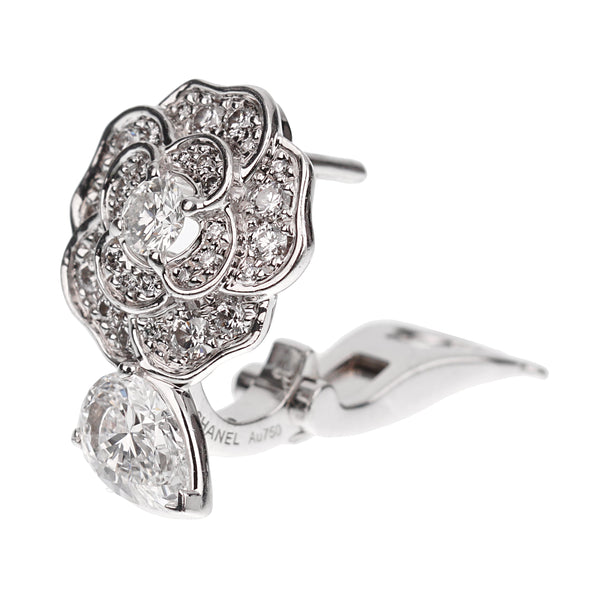
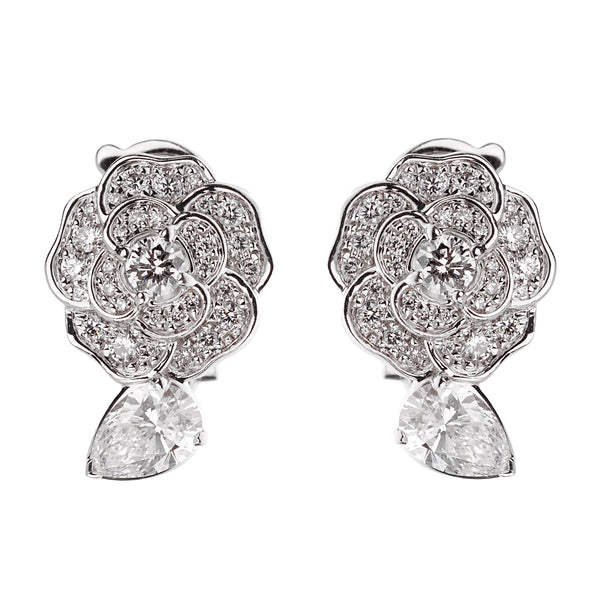
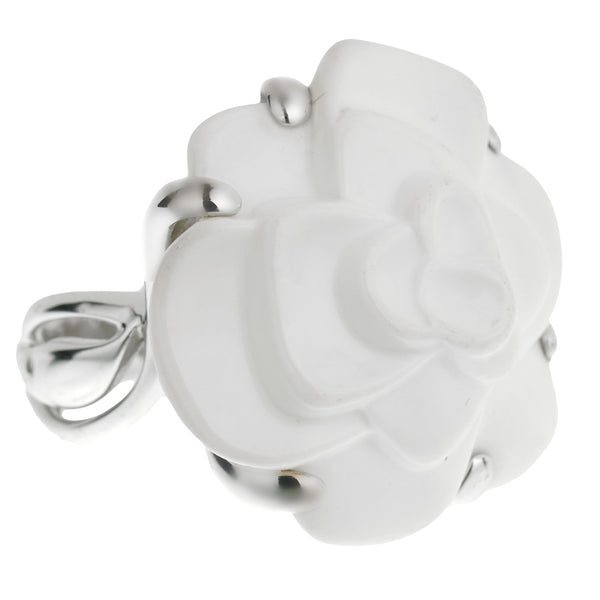
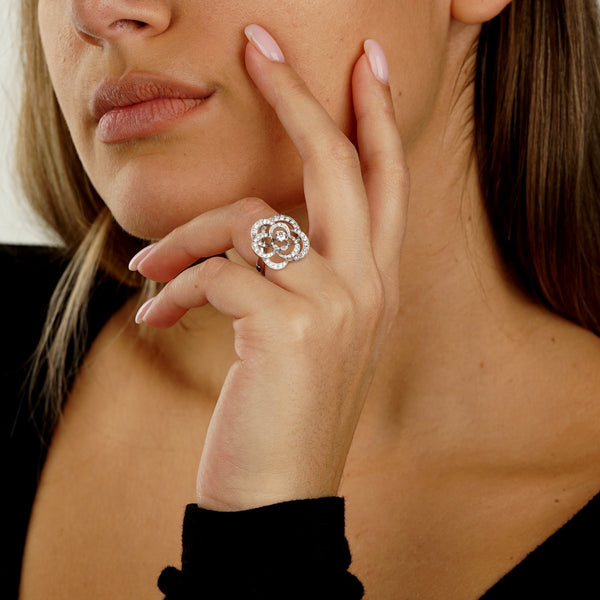
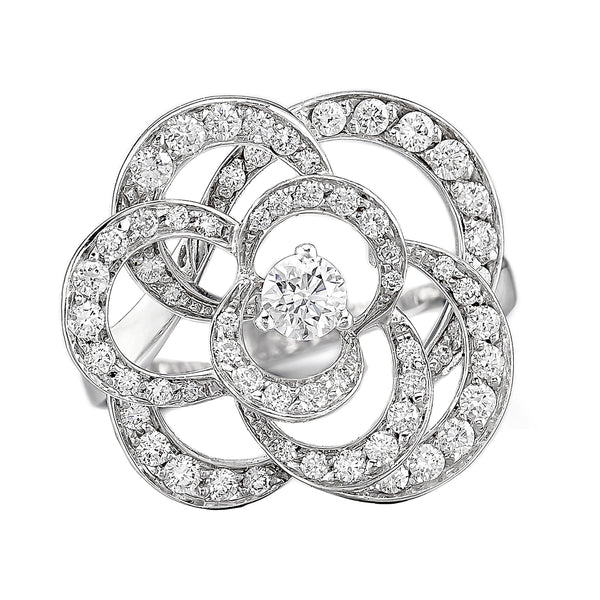
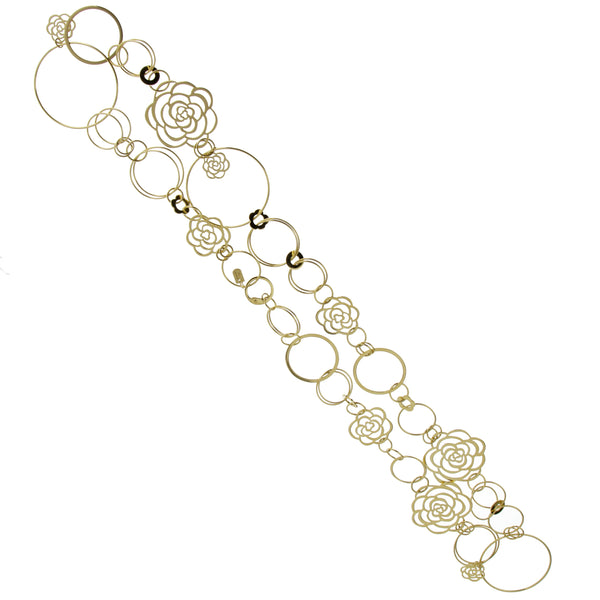
The camellia was Coco Chanel's personal emblem — the flower she wore in her buttonhole, placed on her designs, and returned to throughout her creative life as a symbol of purity, simplicity, and enduring beauty. The Camélia fine jewelry collection translates this most personal of Chanel motifs into 18K gold with diamond pavé petals, creating pieces of quietly extraordinary technical refinement. Camélia rings, bracelets, necklaces, and earrings require exceptional precision in the setting of their diamond pavé — the natural form of the flower's petals demands that the stone coverage conform to an organic, irregular shape rather than a geometric one, making the Camélia among the most technically demanding pieces in Chanel's fine jewelry atelier.
Comète Collection
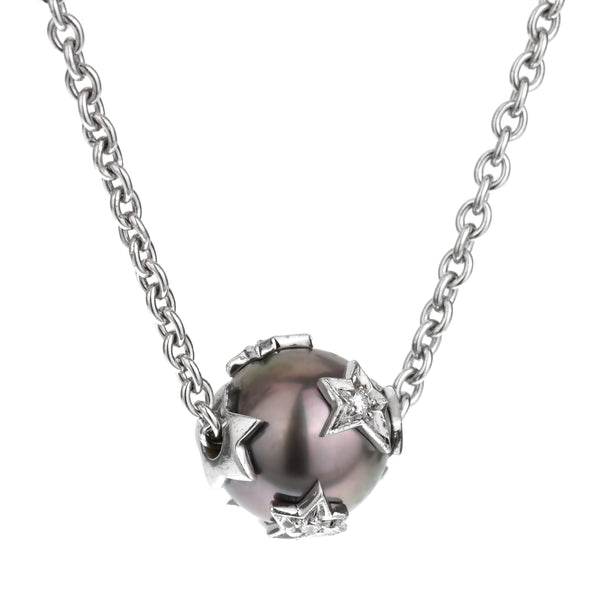
The comet is one of Chanel's oldest and most personally significant symbols — Coco Chanel adopted the shooting star as a personal emblem in the 1930s, and the Comète has appeared in various forms across the house's jewelry history ever since. The fine jewelry Comète collection renders the comet's star and trailing tail in diamond pavé of exceptional density, the trail tapering naturally from the star's brilliant center. Comète necklaces in particular — the trail of diamonds following the line of the collarbone — are among the most elegant and most wearable pieces in the Chanel fine jewelry portfolio.
Signed Vintage Costume Jewelry
Chanel's signed vintage costume pieces — brooches, pearl ropes, gilt chains, and CC logo jewelry from the 1950s through the 1990s — constitute one of the most actively collected categories in the vintage luxury market. The house's costume jewelry collaborations with Maison Gripoix (the glass paste specialists who created Chanel's characteristic poured glass stones), Robert Goossens, and other ateliers produced pieces of genuine artistic quality and historical significance. A signed Gripoix glass-paste brooch from the 1950s or a double-strand faux pearl necklace from the 1960s are not costume jewelry in any diminutive sense — they are collectible objects with established market value and a direct connection to one of the twentieth century's most important design philosophies.
High Jewelry Collections
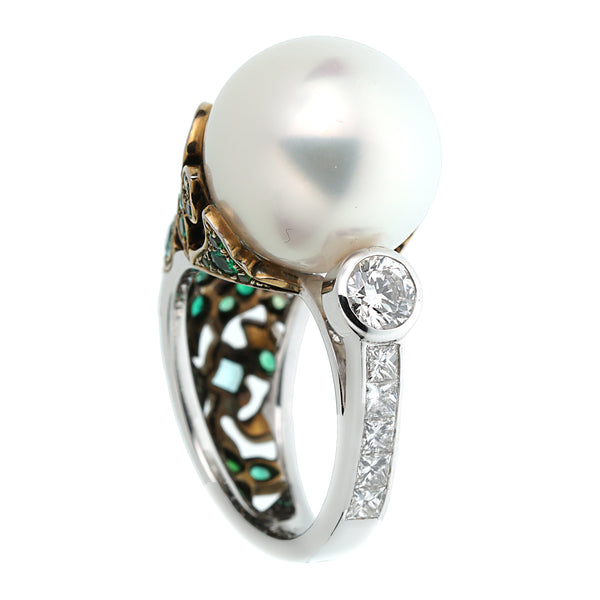
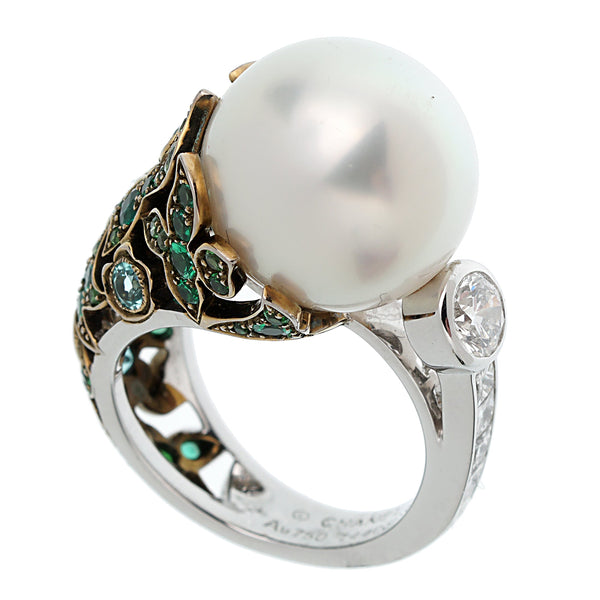
Chanel's annual high jewelry collections — presented in Paris and increasingly at dedicated international events — represent the house working at the absolute apex of the jeweler's art. Collections including 1932, Escale à Venise, and Sous le Signe du Lion have produced extraordinary pieces incorporating exceptional colored diamonds, rare natural pearls, Paraíba tourmalines, and other exceptional stones in settings that reflect the full depth of the Paris fine jewelry tradition. Chanel high jewelry is investment-grade jewelry of the first order, produced in very limited quantities and commanding significant premiums on the secondary market.
Pearl Jewelry
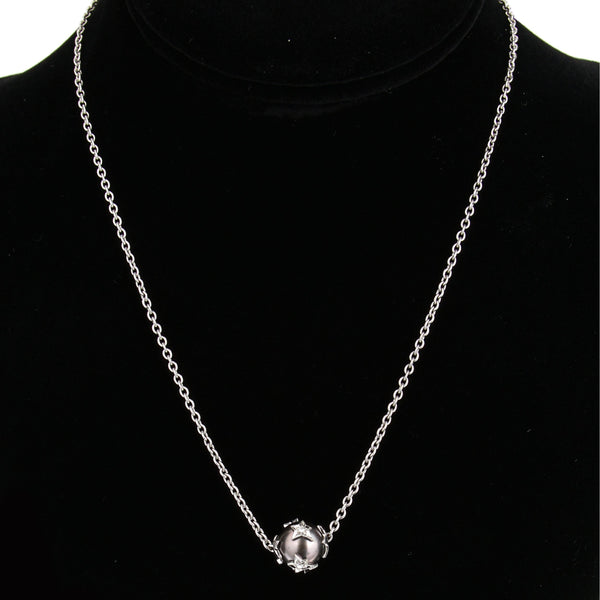
Coco Chanel's relationship with pearls was foundational to her jewelry philosophy — she wore them constantly, in long ropes, short strands, and mixed with costume pieces, and declared them the perfect jewelry precisely because they could be worn by anyone for any occasion. Chanel's pearl jewelry production spans nearly a century, from the earliest faux pearl ropes of the 1920s through the fine jewelry baroque and Akoya pearl pieces of today. Signed Chanel pearl pieces from significant decades are among the most collectible and most liquid items in the vintage Chanel market.
What Makes Chanel Jewelry Unique
Chanel's position in the jewelry market is unlike that of any other house. It is the only major jewelry brand that operates simultaneously across the full spectrum of jewelry production — from costume pieces made in collaboration with specialist ateliers to signed vintage collectibles to contemporary fine jewelry in 18K gold and platinum to extraordinary annual high jewelry of investment-grade rarity. This breadth is not accidental; it reflects Coco Chanel's founding conviction that the value of jewelry lies in its meaning and its beauty, not in the material from which it is made.
The result is a collector market of unusual depth and diversity. A serious Chanel jewelry collector might pursue signed Gripoix glass-paste brooches from the 1950s alongside Coco Crush rings in 18K gold alongside high jewelry pieces incorporating exceptional natural stones — and find that each category rewards close attention, rewards knowledge, and rewards the patience to find the right piece. The house's design vocabulary — camellia, comet, double-C, quilted matelassé, pearl — provides a through-line that connects pieces separated by decades and by many thousands of dollars in material value.
Chanel is also distinguished by the strength of its secondary market. Coco Crush rings, Camélia pieces, and signed vintage costume jewelry from significant periods hold their value strongly and are among the most liquid luxury jewelry pieces available. The house's global name recognition, consistent design language, and the depth of its collector base make Chanel jewelry one of the most reliable categories in the pre-owned luxury market.
How to Authenticate Chanel Jewelry
Fine Jewelry: Signature, Serial Number and Hallmarks
All authentic Chanel fine jewelry carries three primary markers: the "CHANEL" signature engraved on the clasp, ring band interior, or dedicated signature surface; a unique serial number engraved alongside the signature; and metal hallmarks — "750" for 18K gold or "PT950" for platinum — placed as discreetly as possible, typically on the underside or inner surface of the piece. Chanel fine jewelry is produced only in 18K gold (yellow, white, and rose) and platinum. Any piece represented as Chanel fine jewelry in any other metal is not genuine.
Costume Jewelry: The Signature Tag System
For costume jewelry, the signature evolution follows a clear historical timeline. Pre-1950s pieces were unsigned. The 1950s introduced a simple "CHANEL" stamp. The 1970s added copyright and trademark symbols — "© CHANEL ®". From 1986 to 1992, oval signature tags with seasonal codes appear. From 1993 onward, seasonal codes include a letter indicating the season — "P" for Printemps (Spring) or "A" for Automne (Autumn). A piece represented as post-1993 Chanel costume jewelry without a correctly formatted seasonal code tag is a significant concern.
The Double-C Logo
The interlocking double-C logo must follow a specific geometry: the left C faces right, the right C faces left, they interlock at top and bottom, with the right C in front at the top and the left C in front at the bottom. This geometry is consistent across all authentic Chanel pieces and is frequently wrong on fakes — proportions, depth of interlock, and the relationship between the two letters are all common failure points in counterfeit production. The logo should be crisp, precisely formed, and correctly proportioned regardless of the piece type or format.
Coco Crush Specific Authentication
The Coco Crush collection's quilted matelassé pattern is the primary authentication indicator beyond the standard markers. On an authentic Coco Crush piece, the quilted grid should be perfectly regular — each diamond of the pattern identically proportioned and identically spaced. The relief edges of the quilting should be sharp and consistent. Diamond-set versions should have stones that are completely flush, completely secure, and perfectly aligned along the quilted channels. The interior band surface should be mirror-smooth. Any softness in the quilting relief, inconsistency in the grid, or looseness in the diamond settings is a significant concern.
— The Opulent Jewelers Promise —
Every Chanel piece at Opulent Jewelers is individually authenticated before listing. We verify signatures, serial numbers, hallmarks, logo geometry, seasonal codes, and overall craftsmanship — so you can buy with complete confidence. All purchases include free domestic shipping and our full money-back authenticity guarantee.
Frequently Asked Questions — Chanel Jewelry
What is the Chanel Coco Crush collection?
Coco Crush is Chanel's most commercially successful fine jewelry collection — launched in 2015, it translates the house's iconic quilted matelassé leather texture into 18K gold rings, bracelets, necklaces, and earrings with and without diamond pavé. The Coco Crush ring in yellow gold is the most actively traded Chanel fine jewelry piece on the pre-owned market. The collection is offered in yellow, white, and beige gold across the Toi et Moi, classic, and mini formats.
Is Chanel costume jewelry worth collecting?
Yes — signed Chanel costume jewelry is among the most actively collected categories in the vintage luxury market. Pieces from significant periods — particularly Gripoix glass-paste pieces from the 1950s and 1960s, Karl Lagerfeld-era runway pieces from the 1980s and 1990s, and correctly signed pieces with seasonal codes — hold their value strongly and trade actively at auction and through specialist dealers. The key is authentication: unsigned or incorrectly signed pieces have no provable connection to the house.
What metals does Chanel use in fine jewelry?
Chanel fine jewelry is produced exclusively in 18K yellow gold, 18K white gold, 18K beige gold (a proprietary alloy specific to the Coco Crush collection), and platinum. All pieces bear the appropriate metal hallmark — "750" for 18K gold or "PT950" for platinum. Any piece represented as Chanel fine jewelry in sterling silver, 14K gold, or any other metal is not genuine Chanel fine jewelry.
What is the significance of the camellia in Chanel jewelry?
The camellia was Coco Chanel's personal emblem throughout her life — a flower she wore constantly, placed on her designs, and returned to as a symbol of purity and enduring beauty. The flower became one of the house's most consistent design motifs, appearing across both costume and fine jewelry from the earliest decades of Chanel's career. Today's Camélia fine jewelry collection in 18K gold with diamond pavé carries a direct lineage to the founder's personal symbolism and is among the most historically resonant pieces in the house's portfolio.
How do I know if a Chanel piece is authentic?
For fine jewelry: look for the full "CHANEL" signature, a unique serial number, and the appropriate metal hallmark (750 for 18K gold). For costume jewelry: the signature format should match the piece's claimed date of production — from a simple stamp in the 1950s to the full "© CHANEL ®" of the 1970s to the oval seasonal code tag of 1986 onward. The double-C logo, where present, should follow the correct interlocking geometry. At Opulent Jewelers, every piece is individually authenticated before listing.
What Chanel jewelry holds its value best?
The Coco Crush collection — particularly rings and bracelets in 18K yellow gold with diamond pavé — is the strongest performer in the pre-owned Chanel fine jewelry market, combining iconic design with consistent global demand. Camélia pieces in 18K gold with diamond pavé are the second strongest category. In vintage costume jewelry, correctly signed pieces from significant creative periods — particularly Gripoix collaborations from the 1950s and 1960s and runway pieces from the 1983–1993 Karl Lagerfeld era — hold their value most consistently.
Is pre-owned Chanel fine jewelry a good investment?
Chanel fine jewelry consistently outperforms most luxury goods categories on the pre-owned market. The Coco Crush collection — particularly rings and bracelets in 18K yellow or beige gold with diamond pavé — has appreciated meaningfully since its 2015 launch due to sustained global demand and limited supply of pre-owned pieces in excellent condition. Camélia and Comète pieces in 18K gold with full diamond pavé hold their value strongly and trade actively. High jewelry pieces from named collections represent the strongest appreciation potential due to extreme rarity. Purchasing authenticated pre-owned Chanel fine jewelry at Opulent Jewelers offers genuine savings versus current boutique retail — meaning you start from a position of value from day one.
Can I read more about authenticating Chanel jewelry?
Yes — our detailed authentication guide covers the full Chanel signature evolution from the 1920s to the present, collection-specific authentication for Coco Crush and Camélia pieces, and how to verify the double-C logo geometry. Read our complete guide: How to Spot Fake Chanel Jewelry.